 3 min read
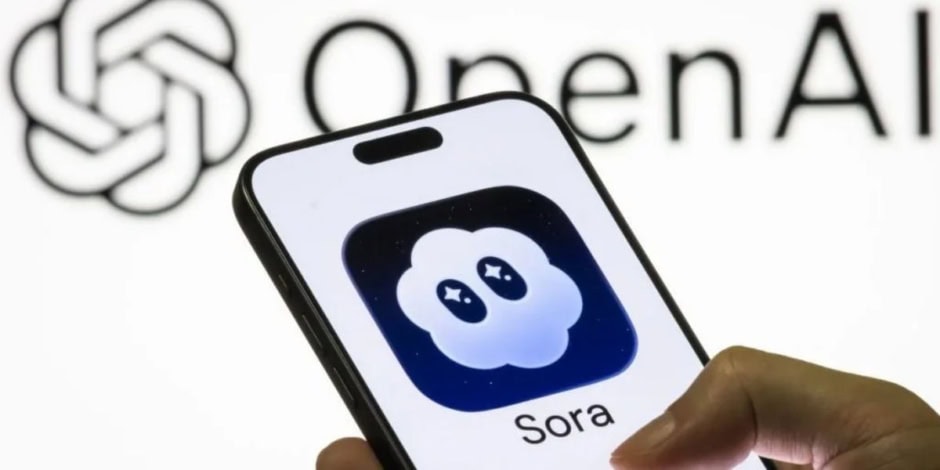
OpenAI announced that its runaway AI video app Sora is now available on Android in key markets including the U.S., Canada, Japan, South Korea, Taiwan, Thailand and Vietnam. Previously limited to iOS where it amassed over one million downloads in five days, Sora brings text to video power to a wider audience, letting users generate, remix and star in cinematic short clips. The rollout signals OpenAI’s push into user created video ecosystems and direct competition with the short form giants.

Your New Video Studio Lives in Your Pocket
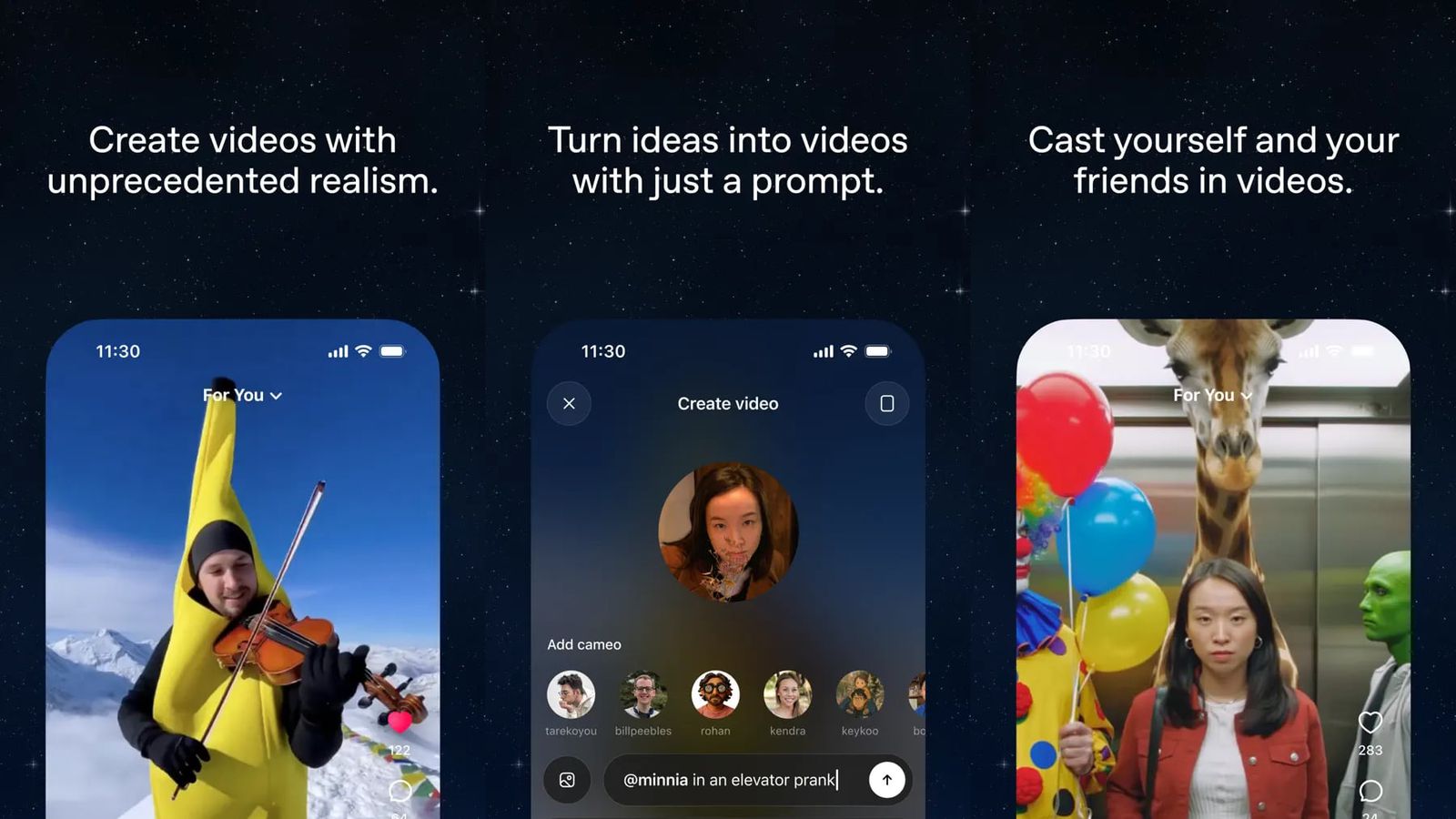
Imagine typing “I walk into a bustling Tokyo street at night, neon signs glowing” and watching it unfold as a video on your phone. That’s the premise behind Sora, a TikTok style mobile platform powered by the text to video model Sora 2. Users can upload a short selfie video to create a reusable “cameo” avatar, drop themselves into AI generated scenes alongside friends, pets or fictional characters, and share the results in a personalized feed.
The video lengths just got longer too, as free tier users can now produce up to 15 second clips and Pro subscribers up to 25 seconds, while multiple formats have been added including vertical, square and landscape. Behind the scenes, OpenAI deploys visible watermarking and hidden provenance signals in generated videos to help identify AI made content and deter misuse.
The app already sat atop Apple’s App Store free download chart, surpassing its own ChatGPT in pace and hype after launch. Now the deeper play begins, helping everyday users become video creators without a studio, setting the stage for a flourishing ecosystem where prompt based storytelling becomes mainstream.
At the same time, the Android rollout is critical in countering dominance by platforms like TikTok, YouTube Shorts and Instagram Reels. OpenAI faces the dual challenge of scaling infrastructure and proving monetisation as it reportedly plans to allow character and avatar owners to charge for cameo usage and unlock advanced features via subscription.
Obstacles Ahead and The Fine Print You Should Know
Growth will come with scrutiny. Sora’s rapid ascent was met by criticism over deepfake potential, biased or violent outputs, and legal questions about commercial use of generated likenesses.
Fake Sora apps have already begun appearing on the Play Store ahead of the official release, leading to risks around security and trust.
Moreover, the Android launch is still invite only in many regions and requires cloud computing infrastructure to support high quality video rendering, scaling this demand cost effectively will be a major test.
Finally, for creators the real question is utility and monetisation. Can Sora move from novelty to routine workflow and provide meaningful value beyond viral clips?