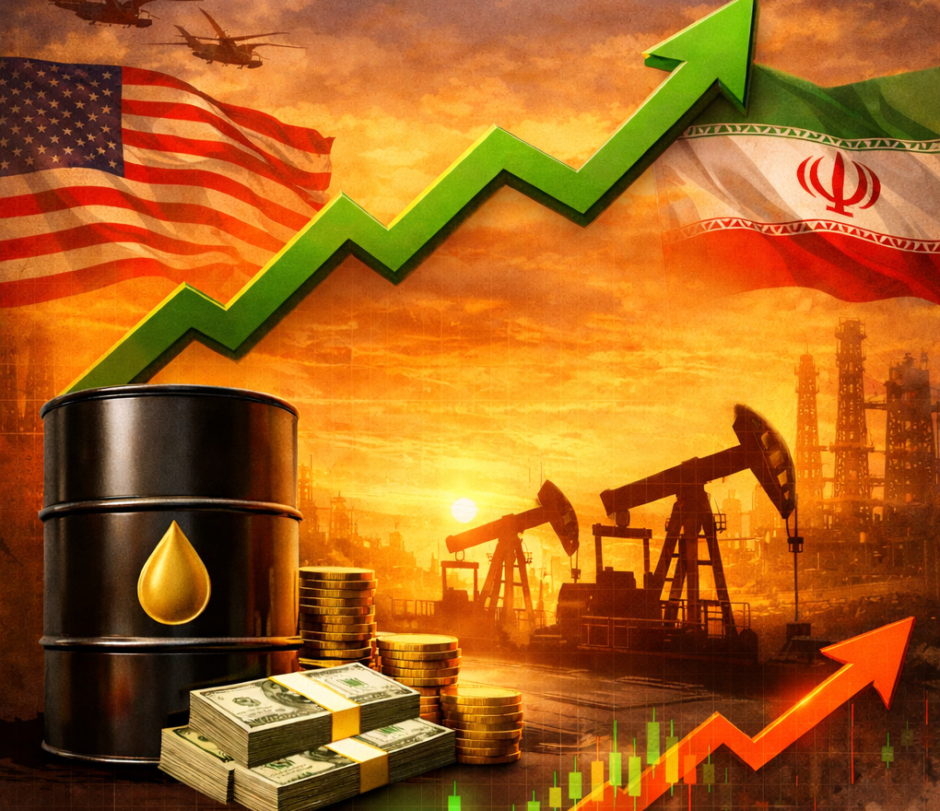
Prime Minister Shehbaz Sharif said Pakistan’s weekly oil import bill has surged to $800 million, up from around $300 million before the Gulf war, as rising global fuel prices intensify pressure on the country’s economy.
Speaking during a federal cabinet meeting, the prime minister said the sharp rise in international oil prices has significantly increased Pakistan’s import costs, creating fresh economic challenges despite recent stabilization efforts.
According to the premier, the country’s petroleum import bill has grown by nearly 300%, driven by geopolitical tensions and supply disruptions linked to the Middle East conflict.
Despite the higher costs, he said the immediate fuel supply situation has improved and described current availability as satisfactory.
Shehbaz credited Petroleum Minister Ali Pervaiz Malik for helping manage the situation and maintaining supply stability during the crisis.
The prime minister noted that domestic fuel consumption has declined in recent weeks, helping ease part of the pressure caused by rising import costs.
He added that the government is consulting with provincial authorities on expanding fuel subsidies to provide relief to consumers affected by higher prices.
Shehbaz said the conflict has disrupted progress made over the past two years in improving Pakistan’s macroeconomic stability.
However, he maintained that Pakistan has continued meeting its debt obligations and that foreign exchange reserves remain stable, while also acknowledging support from Saudi Arabia.
The prime minister also referred to recent diplomatic engagement with Iran, including discussions with Foreign Minister Abbas Araghchi, who reportedly assured Pakistan of continued consultations.
The spike in Pakistan’s oil import bill underscores the country’s vulnerability to global energy shocks, with policymakers now balancing supply security, inflation risks, and subsidy pressures amid escalating regional uncertainty.