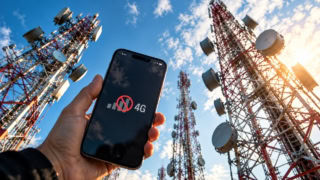
Pakistan’s telecom sector is facing an infrastructure crisis. Massive theft and persistent power load-shedding are actively threatening internet connectivity across the country. The Pakistan Telecommunication Authority (PTA) recently exposed these details in a written report. They submitted this document to a subcommittee of the Senate Standing Committee on IT and Telecom. The report details a sharp rise in vandalism, fuel theft, and network disruptions over the last year.
Vandalism Incidents Disrupt National Connectivity
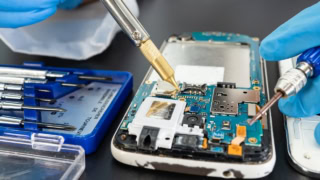
Telecom security has deteriorated rapidly over the past 11 months. PTA revealed that criminals targeted cell towers in over 9,200 separate incidents of theft and vandalism. This wave of criminal activity damaged approximately 16% of Pakistan’s total cellular infrastructure.
Criminals are primarily targeting diesel fuel and critical electronic equipment from the towers. Consequently, these activities have directly degraded internet and mobile service quality for millions of users.
The crisis varies significantly by region. Sindh and Punjab recorded the highest number of attacks.
| Province | Number of Affected Districts | Reported Theft & Vandalism Incidents |
|---|---|---|
| Sindh | 31 Districts | 3,938 Incidents |
| Punjab | 38 Districts | 2,827 Incidents |
| Khyber Pakhtunkhwa (KP) | 25 Districts | 1,668 Incidents |
| Balochistan | 26 Districts | 716 Incidents |
Power Load-Shedding Emerges as a Major Challenge
The constant disruption of the national power grid complicates this issue further. PTA identified rampant load-shedding as a primary threat to mobile and internet service continuity. Since cell towers require constant power, operators rely on backup diesel generators during outages. However, rampant fuel theft leaves these generators empty.
PTA is now executing emergency countermeasures. First, the IT Ministry has officially approached power distribution companies at PTA’s request. They are trying to secure a priority electricity supply for critical telecom sites. Furthermore, PTA is directly negotiating with NEPRA and the Power Division to install dedicated express feeders and smart transformers.
Simultaneously, the regulator is clamping down on mobile companies. PTA strictly ordered all mobile operators to implement comprehensive, robust security systems. These upgrades must effectively halt diesel and equipment theft from their tower locations immediately.
PTA Sets Aggressive 4G & 5G Network Speed Targets
Despite severe infrastructure damage, the regulator is pushing forward with aggressive network upgrades. Over the past five years, operators successfully installed or upgraded more than 12,000 mobile sites across Pakistan. Now, a massive 200% increase in spectrum allocation is expected to significantly boost overall service quality.
PTA has officially locked in the following technology targets:
- Average 4G Speed: Boosting the current average from a sluggish 4 Mbps up to approximately 20 Mbps.
- Initial 5G Speed: Aiming to hit baseline speeds of 50 Mbps during the initial rollout phase.
- Site Expansion: Mandating mobile operators to install 1,000 new mobile sites every year. Operators must place 20% of these new sites in completely uncovered areas.
- Fiber Upgrade: Raising the national Fiber-to-Site ratio from the current 20% up to 35%.
To achieve these goals, mobile operators are completely phasing out legacy 3G networks. Instead, they are rapidly rolling out advanced VoLTE, VoWiFi, and Massive MIMO technologies. Additionally, the government is expanding broader digital connectivity via ongoing Universal Service Fund (USF) projects.
PTA Proposes Strict Accountability for Network Downtime
PTA is also modernizing its regulatory oversight and policy frameworks. The regulator is currently processing a proposal to exempt telecom infrastructure from costly Right of Way (RoW) charges. To improve traveling connectivity, authorities are also considering the introduction of National Roaming facilities across all national highways.
However, greater freedom comes with stricter accountability. PTA is actively tracking service quality using OpenSignal analytics and rigorous quarterly KPI reviews.
Most importantly, the enforcement structure is shifting. Following the upcoming 5G rollout, PTA is expanding its network downtime monitoring systems. The regulator will track network failures down to the Union Council, Tehsil, District, and National levels. Mobile operators are now legally required to strictly adhere to these localized downtime limits at every single level.