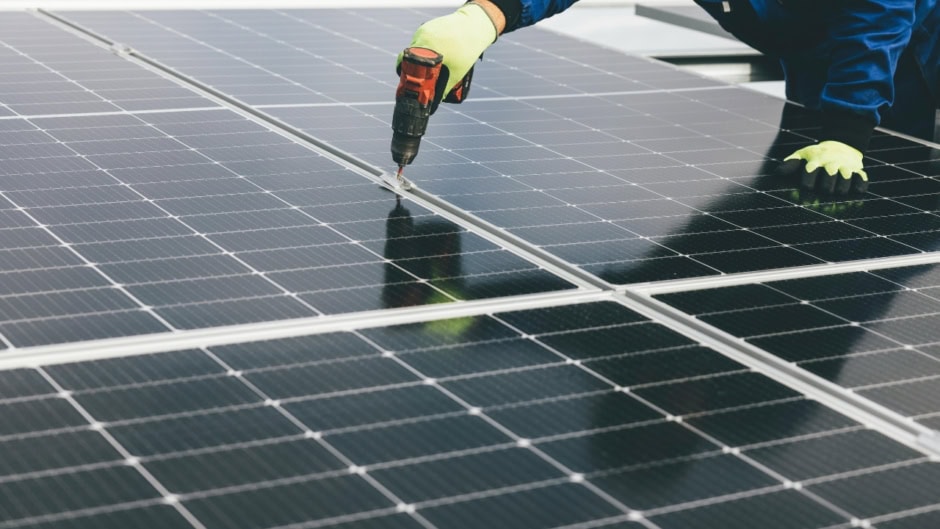
The Punjab government has reportedly approved the Electricity Duty Rules 2026, introducing a new taxation framework for large private power generation systems, including commercial and industrial generators and solar installations.
Under the new rules, electricity duty will be imposed on private generators and solar power systems with a generation capacity exceeding 500 kVA. Industrial and commercial consumers generating electricity for self-use will be required to pay 4 paisa per unit of electricity produced.
Provincial authorities estimate that the new taxation regime will generate around Rs. 300 million annually, with approximately 1,177 industrial and commercial facilities expected to fall under the scope of the regulations.
The government has clarified that domestic consumers are exempt from the electricity duty, meaning household solar users and residential electricity consumers will not be affected by the new levy.
The revised framework also grants expanded enforcement powers to the electric inspector, including authority to inspect private power generation facilities, review operational records, seal installations found in violation of regulations, and recover outstanding dues under the Land Revenue Act.
In addition, all qualifying private power producers, including owners of large-scale solar systems, will be required to register their installations. Industrial and commercial entities generating their own electricity must install separate energy meters and maintain monthly operational records and logbooks.
Officials warned that non-compliance could result in late-payment surcharges ranging from 10 to 15 percent, financial penalties, and potential suspension of electricity generation operations.
The new rules replace the Electricity Duty Rules 2012 and are intended to strengthen regulatory oversight while increasing provincial revenue from private power generation.