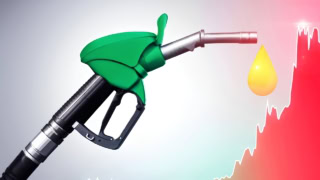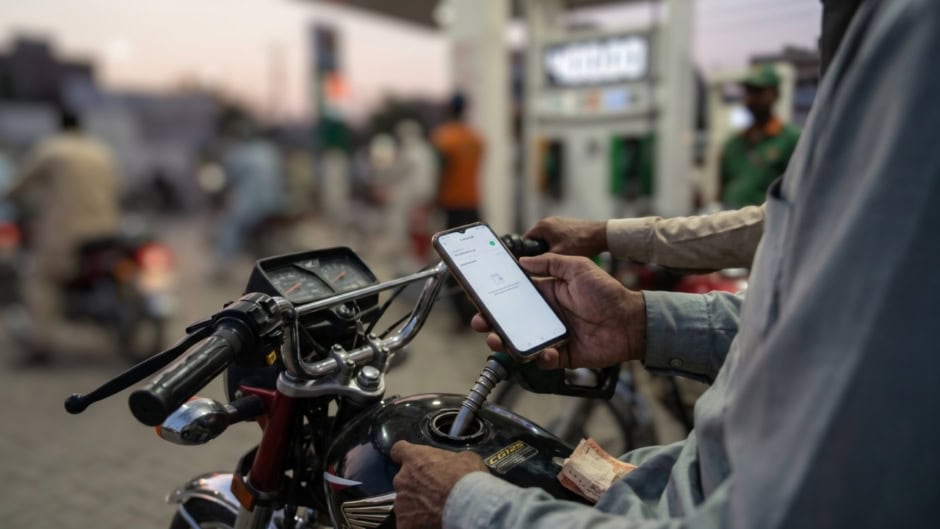
Petrol prices recently crossed a staggering Rs. 400 per litre in Pakistan. This immense surge crushed motorcyclists, the true backbone of urban commuting. Consequently, the government announced a targeted bike fuel subsidy to provide breathing room. Eligible motorcycle users were promised Rs. 2,000 every month in direct cash support. However, ground realities tell a distinctly different story. The relief effort is quickly unraveling.
Bike Fuel Subsidy: The Grand Promise
Initially, the government designed the subsidy to last three months. It offered Rs. 100 per litre for up to 20 litres monthly. Furthermore, on May 1, Prime Minister Shehbaz Sharif extended the program for an additional month. He ordered strict monitoring to ensure funds reached rightful recipients without leakages.
Simultaneously, the Sindh government launched its own registration-based subsidy. This parallel program promised bank transfers following a strict verification process. On paper, these policies looked highly structured and perfectly targeted.
The Harsh Ground Reality
In practice, the execution completely misses the mark. Irregular disbursements currently plague the initiative. A vast majority of riders received the payment just once in April. After that, the transfers abruptly stopped. The authorities provided no explanation for this halt.
Meanwhile, many other commuters successfully applied, submitted their CNICs, and cleared verification. Yet, they never received a single rupee. Despite the grand announcements, consistent monthly cash support remains entirely nonexistent for the public.
An Incomplete Policy
Currently, the scheme lacks consistent transfers and transparent tracking. The government has also failed to publish any public disbursement reports. Therefore, commuters now view the subsidy as a mere one-time gesture rather than a reliable support system.
The initiative initially aimed to cushion millions from brutal fuel inflation. Instead, it delivered sporadic, unreliable relief. Ultimately, a policy announced in recurring cycles but delivered inconsistently fails as genuine support. It simply becomes an incomplete promise.