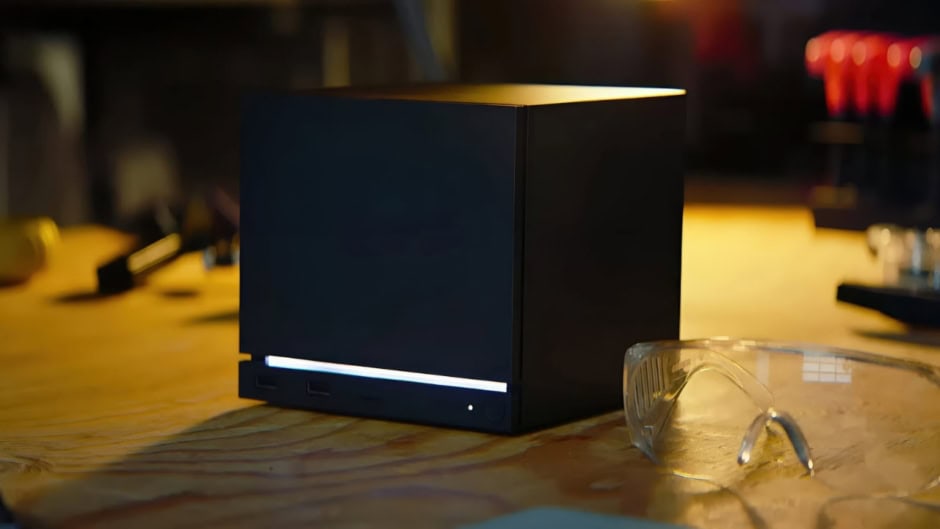
Yesterday, on June 1, Circana research analyst Mat Piscatella shocked the gaming community. He predicted that Valve’s highly anticipated Steam Machine could launch with a base price of $1,399. Furthermore, a high-end version might cost buyers a staggering $1,699.
Alright, based on absolutely nothing if the Steam Machine actually launches I'll throw out a $1,399 base and $1,699 fancy version US price prediction. Why not.
— Mat Piscatella (@matpiscatella.bsky.social) 1 June 2026 at 00:56
Previously, Piscatella estimated a $1,200 entry price. However, the erratic electronics sector forced a massive adjustment. Windows Central insider Jez Corden also shared similar insights recently. Speaking on The Xbox Two Podcast, Corden revealed that Valve originally targeted a $1,000 price point last year.
Why the Massive Price Hike?
Valve delivered major price shocks to portable gaming fans just a few days ago. The company significantly raised the prices for the Steam Deck OLED. In the United States, the premium 1TB model climbed from $649 to $949. Meanwhile, the baseline 512GB version increased from $549 to $789. UK buyers faced identical crunches. The 1TB unit skyrocketed from £569 to £779, and the 512GB tier jumped from £479 to £649.
Valve publicly blamed these steep adjustments on a global shortage of solid-state storage and dynamic memory components. Currently, the massive computing demands of the ongoing artificial intelligence boom are swallowing up these exact electronic parts. Consequently, device creators struggle to maintain affordable assembly lines.
Financial analysts point out a harsh reality. If Valve applies the exact same percentage price hike to the Steam Machine’s original $1,000 target, a single configuration will easily cost consumers around $1,450. Tech leaker Brad Lynch confirms this trend, stating the living-room rig will easily exceed current handheld retail prices.
Heavy-Duty Steam Machine Specs
Despite the severe sticker shock, the machine’s mechanical engineering explains the high valuation. According to technical specifications, the desktop cube utilizes a specialized Zen 4 processor. This CPU features six cores and twelve threads. It boosts to a rapid 4.8 GHz clock speed at a 30-watt thermal design power.
Additionally, the system packs a powerful RDNA 3.5 graphics architecture. This GPU features 28 compute units clocked up to 2.414 GHz. Therefore, the console will easily translate heavy PC experiences to the big screen.
The physical frame measures a compact 162.4 by 156 by 152 millimeters. It also includes custom user-swappable front panels for the aesthetic modding crowd. Current leaks suggest Valve will release four distinct options. Buyers can choose a base 512GB model or a larger 2TB unit. Furthermore, Valve will offer two independent bundles packed with an official input controller.
Imminent Reveal & Market Risks
Valve has not announced an official public release date yet. However, independent trackers recently discovered a hidden “Welcome Tour” file structure in Valve’s operational backend. Previously, a similar database update occurred just weeks before Valve announced the launch window for its physical controller accessory. This suggests a formal reveal could happen very soon.
Still, launching a luxury gaming unit poses a massive risk. Business analysts like Chris Dring of The Game Business warn that introducing high-priced hardware during an intense cost-of-living crisis might severely stunt market growth. Ultimately, this high-priced mini-computer must carve out a permanent home between standard plug-and-play consoles and custom home-built rigs to survive.