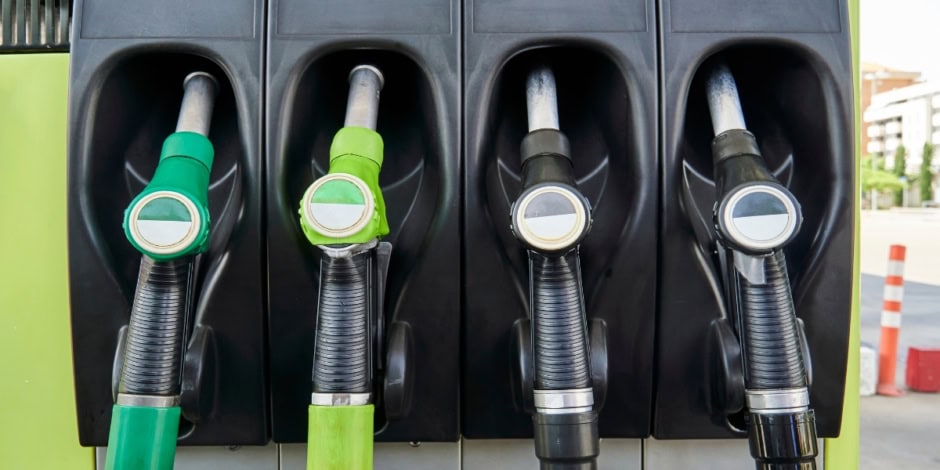
Fuel prices in Pakistan have surged sharply, with petrol reaching around Rs400 per litre and high-octane fuel climbing between Rs500 and Rs600 in several regions.
The increase has placed financial strain on consumers, particularly salaried individuals, as transport and daily expenses rise alongside fuel costs across the country.
Amid rising prices, Attock Petroleum introduced a Rs5 per litre discount at its company-operated petrol pumps, offering limited relief to selected customers purchasing fuel directly.
The company clarified that the discount applies only at outlets managed directly by Attock Petroleum and does not extend to dealer-operated stations, creating uneven access to reduced prices.
Across Pakistan, the company operates nearly 45 such outlets, primarily located in major urban centres and along motorway routes where traffic volumes remain consistently high.
Petrol and diesel prices remain largely uniform due to government regulations that prevent oil marketing companies from selling fuel above officially notified price limits across markets.
In contrast, high-octane fuel prices are deregulated, allowing companies to independently set rates, resulting in significant price differences between brands and regions depending on supply and demand.
Following the imposition of a Rs300 levy on high-octane fuel, prices rose to nearly Rs600 per litre, leading to reduced demand and increased concern among consumers.
Later, Saudi Aramco reduced high-octane prices by approximately Rs200 per litre, prompting competing oil marketing companies to lower rates and triggering a broader price adjustment.