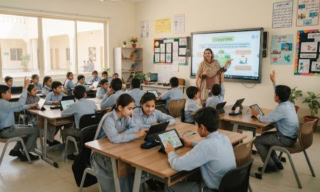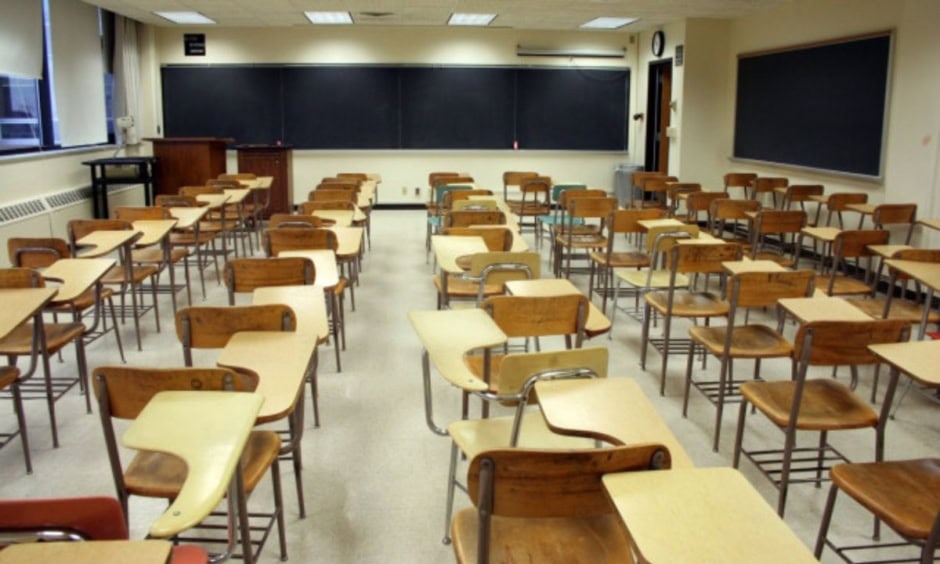
The federal government is considering nationwide school and university closures, alongside remote work and online learning, as part of urgent fuel conservation measures to address potential oil supply disruptions from the Middle East conflict.
A cabinet committee responsible for monitoring petrol prices finalized a national action plan today in consultation with provincial authorities, outlining steps to manage fuel demand and ensure continued domestic petroleum availability.
The plan will now be submitted to Prime Minister Shehbaz Sharif for approval and, once endorsed, will be implemented by the federal Economic Coordination Committee to ensure timely execution of the proposed measures.
Contingency protocols from the COVID-19 pandemic, including carpooling, remote work, and online learning, are under review to conserve fuel and protect foreign exchange reserves amid ongoing global energy uncertainties.
Coordination between federal and provincial authorities will focus on preventing fuel hoarding, illegal storage, smuggling, and any disruptions in distribution networks, ensuring uninterrupted supply across major urban and industrial centers nationwide.
Lessons from COVID-19 protocols are guiding the approach of the government, with remote work and online learning considered as effective temporary solutions to reduce transportation fuel demand.
The Middle East conflict has heightened volatility in global oil markets, prompting Pakistan to strengthen contingency measures and diversify energy sourcing to safeguard domestic supply against potential shortages.
Carpooling and remote work are also intended to support economic stability, ensuring essential services continue while managing overall fuel consumption during periods of international supply uncertainty.