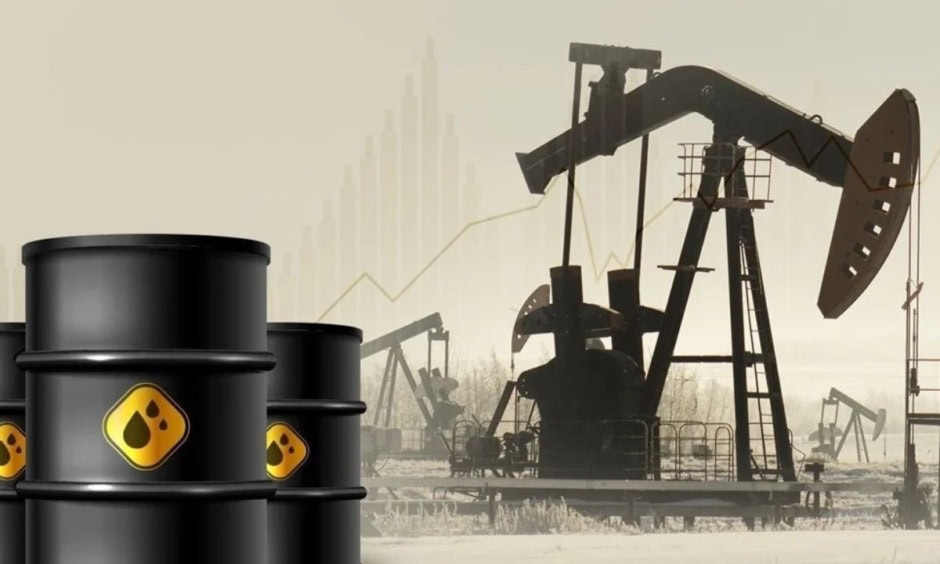
A senior military spokesperson in Iran warned on Wednesday that global oil prices could surge to $200 per barrel as the conflict continues to disrupt shipping and energy routes in the Gulf.
The warning came after three more merchant ships were struck by projectiles in the Gulf, according to maritime security agencies, bringing the total number of vessels reportedly hit since the war began to 14.
The escalation follows continuing hostilities between Iran and Israel, with Iranian forces firing at Israeli and regional targets while signalling their ability to disrupt energy supplies across the Middle East.
Iran warns of energy shock
Ebrahim Zolfaqari, spokesperson for the military command in Iran, said oil prices depend on regional security and warned the United States to prepare for prices reaching $200 per barrel.
He also said Iran would respond to overnight strikes that damaged a bank office in Tehran by targeting banks doing business with the United States or Israel.
Zolfaqari urged people across the Middle East to stay at least 1,000 metres away from banks, warning they could become targets during the ongoing conflict.
Strait of Hormuz disruption continues
The conflict has disrupted shipping through the Strait of Hormuz, where about a fifth of the world’s oil normally passes through a narrow channel along the Iranian coast.
Authorities say the route remains unsafe for commercial vessels, marking the most serious disruption to global energy supplies since the oil shocks of the 1970s.
Despite the tension, oil prices that briefly surged to nearly $120 per barrel earlier this week have eased and are currently trading around $90.
Investors appear to be betting that U.S. President Donald Trump could soon find a way to end the conflict he began alongside Israel nearly two weeks ago.
However, Israeli officials told Reuters there was no sign Washington was close to ending the campaign, although some leaders privately believed the ruling system in Iran could survive the war.
Regional tensions and public response
In the latest public display of defiance, large crowds gathered in Tehran on Wednesday for funerals of senior commanders killed in airstrikes during the conflict.
An Iranian official told Reuters that Mojtaba Khamenei, son of Supreme Leader Ali Khamenei, had been lightly wounded early in the war.
The official said airstrikes killed his father, mother, wife and a son, and that Mojtaba Khamenei has not appeared publicly or issued a direct message since the war began.
Iran’s military also said it had launched missiles at a United States base in northern Iraq, the U.S. naval headquarters for the Middle East in Bahrain, and targets in central Israel.
Explosions were heard in Bahrain while authorities in Dubai said four people were wounded after two drones crashed near the airport.
Meanwhile, Bahrain’s Civil Aviation Affairs said several Gulf Air aircraft without passengers and some cargo planes had been relocated to alternative airports to ensure continuity of air operations.
Residents in Tehran said they were becoming used to nightly airstrikes that have forced hundreds of thousands of people to flee to the countryside and covered parts of the city with black rain from oil smoke.
Oil reserves under discussion
Governments are also discussing emergency measures to stabilise markets, with the International Energy Agency expected to recommend releasing 400 million barrels from global strategic oil reserves.
Such a release would be the largest on record but could take months to deliver and would amount to only about three weeks of normal oil flows through the Strait of Hormuz.