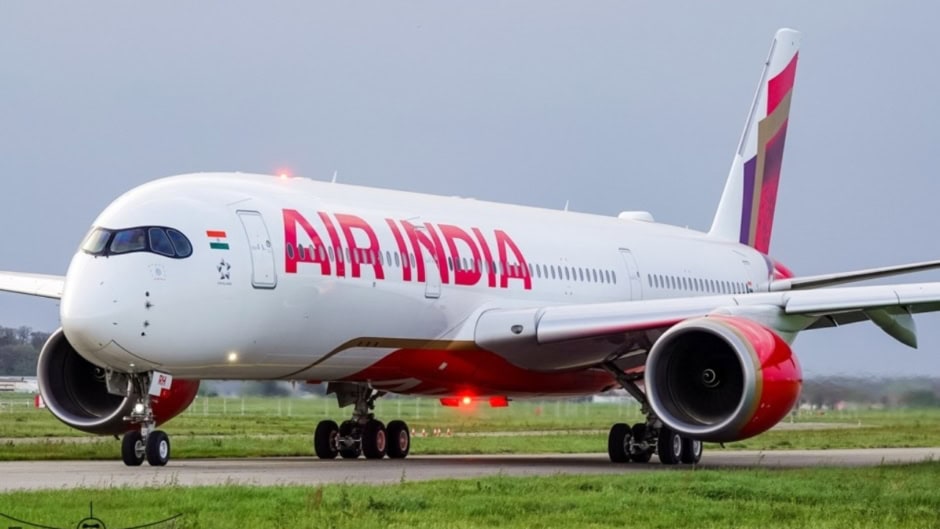
Air India just hit a major financial roadblock. The airline reported a staggering annual loss exceeding $2.4 billion for the last fiscal year (FY26). Consequently, this massive deficit completely derailed its fragile recovery and missed internal breakeven goals. The airline has officially returned to cash-burn territory.
External Shocks & Rising Costs
Several external factors triggered this unexpected financial plunge. Firstly, a temporary closure of Pakistani airspace forced Air India to fly longer international routes. Therefore, fuel consumption spiked heavily on key flights between India, the US, and Europe. Simultaneously, escalating tensions in the Middle East disrupted critical transit regions. This added significant operational uncertainty and immediate cost pressures.
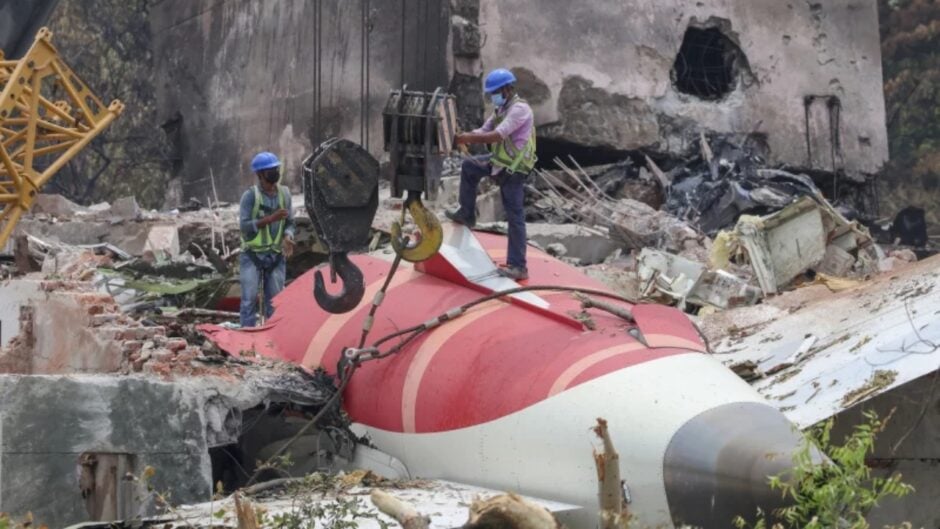
Furthermore, the airline faced severe industry headwinds. A fatal incident involving a Boeing 787 Dreamliner shattered consumer confidence. Consequently, the airline had to make sudden network adjustments. Moreover, soaring jet fuel prices and a noticeable drop in premium travel demand worsened the financial strain.
Fresh Funding Talks & Leadership Shakeup by Air India
Now, the Tata Group faces a monumental challenge. The promoters must plug immediate funding gaps while keeping their long-term turnaround strategy and global connectivity ambitions alive. Currently, Air India is holding fresh funding discussions with the Tata Group and minority partner Singapore Airlines.
However, shareholders note that this upcoming capital infusion might not fully cover the airline’s massive requirements. Therefore, Air India might seek additional borrowing or alternative financing options.
Adding to the financial chaos, the airline is dealing with major leadership uncertainty. CEO Campbell Wilson expects to step down later this year. Ultimately, this executive transition arrives at a highly sensitive time for the struggling airline.