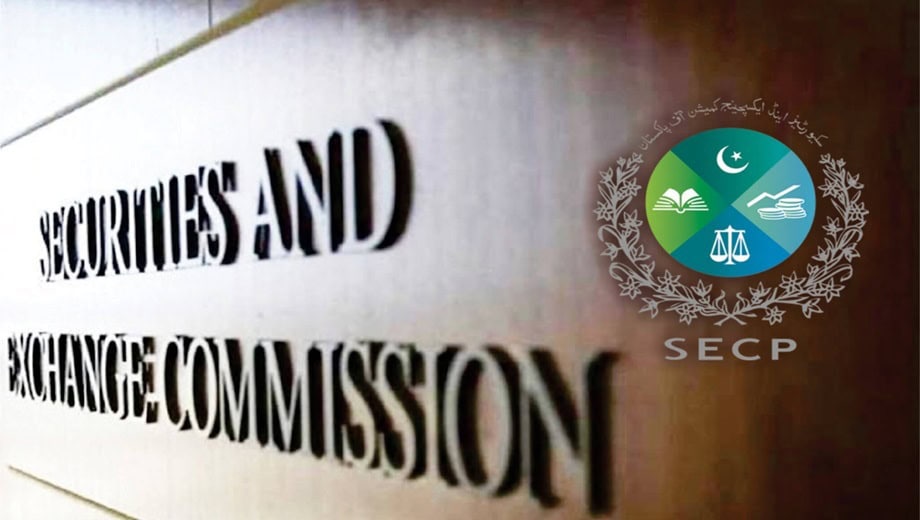
The Securities and Exchange Commission of Pakistan (SECP) has released a comprehensive guidebook aimed at helping Non-Banking Finance Companies (NBFCs) design and offer Shariah-compliant financing products, expanding access to interest-free lending across the country.
The initiative targets individuals and businesses that avoid conventional interest-based (riba) loans, enabling NBFCs to structure halal alternatives such as installment plans, micro-loans, and housing finance solutions.
According to the SECP, the guidebook provides practical guidance on developing financing models based on risk-sharing and asset-backed structures. These principles aim to ensure ethical lending practices, reduce hidden charges, and protect consumers from exploitation.
A key focus of the framework is digital financial inclusion. Shariah-compliant digital lending is expected to benefit underserved segments, including low-income households, small businesses, farmers, freelancers, and gig workers—particularly those lacking traditional credit histories.
The regulator highlighted growing demand for Islamic financial services in Pakistan, noting that increased participation by NBFCs in this segment will enhance competition, improve transparency, and deliver better pricing and service standards for consumers.
Currently, five lending NBFCs in Pakistan are fully Shariah-certified, offering products such as Buy-Now-Pay-Later (BNPL), nano-lending, microfinance, and housing finance. In addition, several other firms have approached the SECP for guidance in developing Shariah-compliant offerings.
SECP’s internal analysis of 265 products offered by 89 lending NBFCs revealed that approximately 16–17% are already Shariah-compliant, reflecting strong momentum in the sector.
This initiative is part of SECP’s broader Strategic Action Plan to support Pakistan’s transition towards an Islamic financial system, in line with constitutional requirements and directives of the Federal Shariat Court.