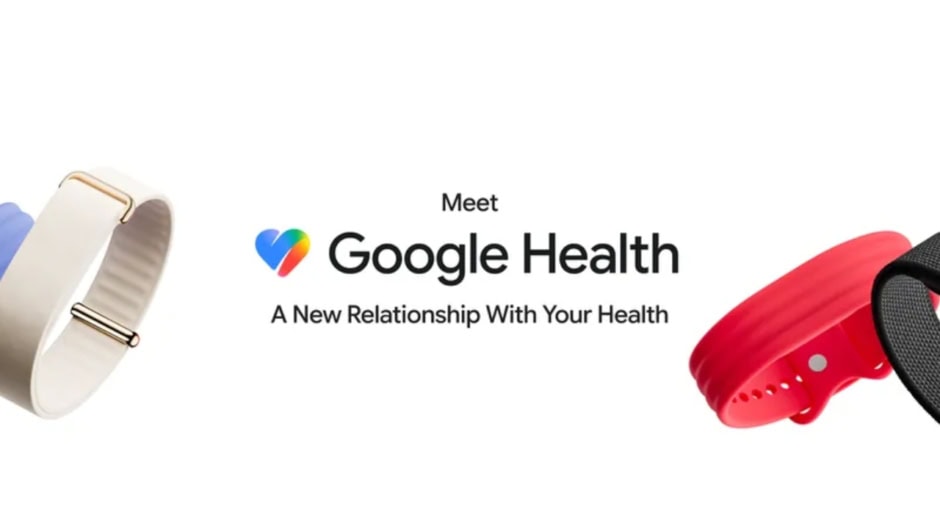
Google unveiled the $99 Fitbit Air on May 7, a screenless fitness tracker designed to rival subscription-based competitors Whoop and Oura without requiring monthly fees. The launch coincides with Google rebranding the Fitbit app to Google Health starting May 19, marking the company’s most aggressive push into health tracking since acquiring Fitbit in 2021.
The Fitbit Air weighs just 5.2 grams and packs advanced sensors including 24/7 heart rate monitoring, heart rhythm tracking with atrial fibrillation alerts, SpO2 measurement, heart rate variability analysis, and detailed sleep stage tracking. The device offers up to one week of battery life and charges to full power in just five minutes, providing a full day of tracking per charge. Pre-orders opened May 7 with shipping beginning May 26, and Google is offering a three-month trial of Google Health Premium with each purchase.
Google positions the Fitbit Air as a direct competitor to Whoop’s subscription-heavy model, which requires $199 annually on top of hardware costs. The Fitbit Air operates without mandatory subscriptions, though users can access AI-powered coaching features through the optional Google Health Premium service priced at $9.99 monthly or $99.99 annually. Google AI Pro and Ultra subscribers receive Google Health Premium at no additional cost across more than 30 countries.
The Fitbit app transforms into Google Health through an automatic update rolling out May 19, bringing redesigned dashboards, improved sleep tracking accuracy boosted by 15%, and integration with medical records for US users. The new app consolidates data from various devices including Apple Watches and Oura Rings, allowing users to track fitness metrics without abandoning existing hardware. Google introduced the Gemini-powered Health Coach globally, offering conversational AI assistance for personalized fitness plans, workout guidance, and daily health recommendations based on readiness scores and recent activity.
Google also launched a $129 Stephen Curry Special Edition Fitbit Air featuring water-resistant coating and custom design elements, with interchangeable bands starting at $34.99. The company confirmed existing Fitbit devices including Sense 2, Versa 4, Charge 6, and Inspire 3 remain available, with the Sense 2 offering unique ECG tracking capabilities absent from the Air. Google currently trails Apple and Samsung in wearable market share however aims to attract users through device compatibility and lower pricing compared to subscription-locked alternatives.