Scientists Say Water Batteries Will Power Future AI Systems
By Abdul Wasay|5 months ago |
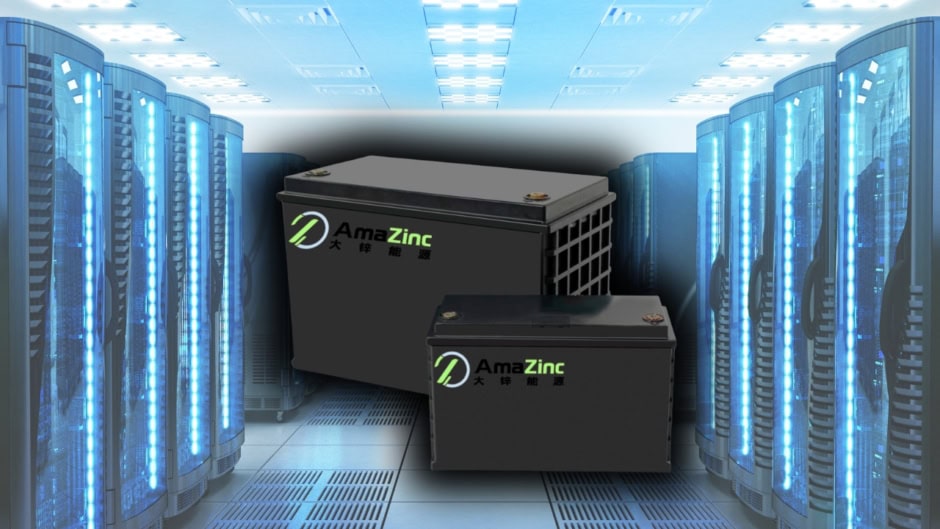
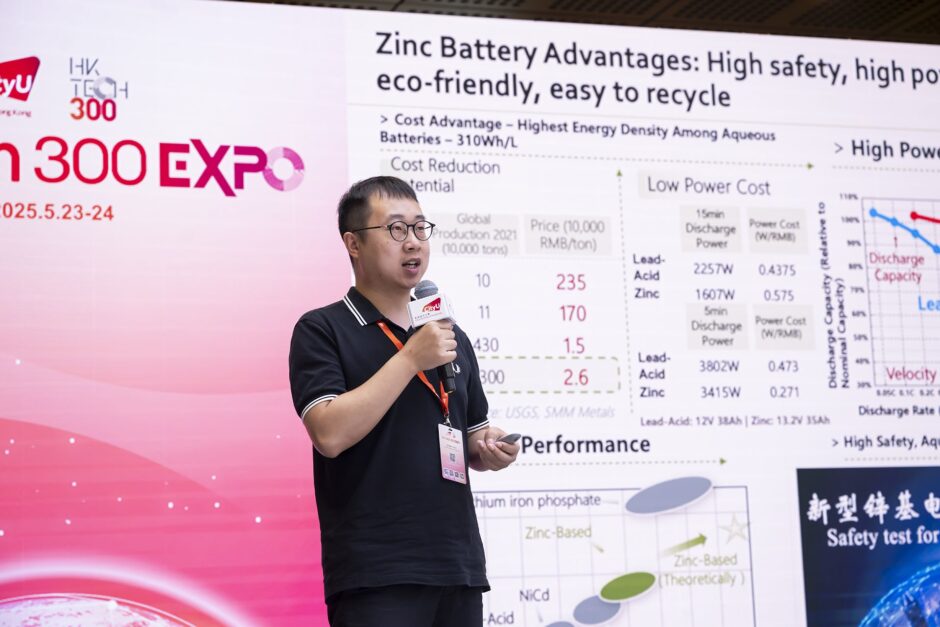
City University of Hong Kong has announced it secured government funding to develop next-generation aqueous zinc-based batteries. These batteries are aiming to eliminate fire risks plaguing lithium-ion systems used in AI data centers.
The RAISe+ Scheme grant will fund a three-year project targeting 1 gigawatt-hour annual production capacity addressing urgent safety concerns as artificial intelligence infrastructure expands globally.
“Our goal is to develop a new generation of battery technology that is both safe and efficient,” said Dr Tang of the research team. “The aqueous zine-based battery system eliminates fire risks, reduces costs, and can operate safely and reliably in large-scale energy storage and backup power applications. With the support of RAISe+, along with Hong Kong’s strengths as an international financial center and digital hub, we aim to provide more reliable solutions for local data centres, financial institutions, medical systems and high-end commercial facilities. Hong Kong will serve as a platform for technology demonstration, standards alignment and overseas market expansion, accelerating the internationalization of research outcomes.”
The project titled “Development and application of large-scale energy storage and UPS systems based on intrinsically safe aqueous batteries” received second-batch RAISe+ funding from Hong Kong Special Administrative Region government.
AI-driven data centers using GPU clusters experience power spikes reaching 150% of normal load within milliseconds straining traditional battery systems designed for steady discharge. The zinc-based chemistry eliminates thermal runaway risk that causes lithium-ion fires while delivering higher power density than bulky lead-acid alternatives according to university researchers.
City University partnered with Huasu Technology, a leading battery management system supplier operating automated production facilities in mainland China. The collaboration aims to commercialize zinc batteries for data center backup power and energy storage markets. Huasu brings distribution channels and technical integration expertise accelerating deployment beyond laboratory testing.
The announcement comes as data center operators worldwide seek safer alternatives to lithium-ion systems following high-profile battery fires. ZincFive already markets BC 2 AI cabinet using nickel-zinc chemistry providing dual functionality handling power surges without compromising backup runtime during outages.
Industry analysts stated aqueous zinc batteries could capture significant market share if production costs match lithium-ion pricing. The Hong Kong team expects pilot production to begin late 2026 with commercial rollout targeting 2027 deployment across Asian data centers.
The Australian Antarctic Program launched its annual recruitment drive on October 1, offering more than 200 contracts for people to live and work at research.
Bill Gates-backed Commonwealth Fusion Systems has placed the largest single purchase order of superconducting tape with Japan’s Fujikura. The company announced the deal on Wednesday,.
Pakistan stands at the threshold of space exploration. Two Pakistani pilots, Muhammad Zeeshan Ali and Khurram Daud, are completing intensive training at China’s Astronaut Research.