Chalmers University Technology researchers have developed an AI-based fast charging method extending electric vehicle battery life 23% without increasing charge time.
Published in IEEE Transactions Transportation Electrification, the research addresses major barrier to EV adoption as fast charging stress shortens battery lifespan through unwanted side reactions.
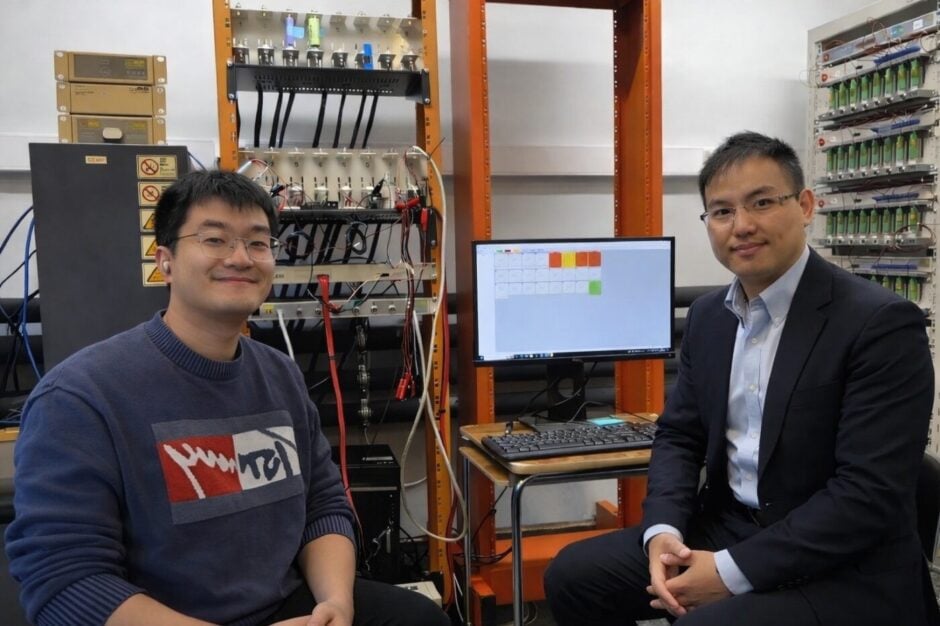
Professor Changfu Zou and Assistant Professor Meng Yuan created strategy based on reinforcement learning adapting charging current during each session to battery chemistry and state of health. The AI model was trained using digital model of common EV battery and simulations of variables impacting health and charging speed. Meanwhile, charging time remained virtually unchanged at 24.12 minutes on average compared to 24.15 minutes for conventional charging.
The system measures battery lifetime in equivalent full cycles representing charge and discharge cycles before capacity drops to 80% of original value. The AI-based charging strategy achieved 22.9% extension in EFCs compared with conventional charging according to research findings. Furthermore, fast charging forces high currents into battery cells increasing risk of chemical side reactions especially lithium plating.
Lithium plating occurs when metallic lithium deposits on electrode instead of being properly stored within battery structure. This can reduce capacity and compromise safety as unevenness in lithium distribution may cause short circuits in worst cases. Consequently, standard charging methods use same current and voltage regardless of whether battery is new or used for years.
The new charging strategy is cost-effective to implement through software updates in vehicle battery management systems. However, some adaptation will be needed for method to be used generally as calibration is required for different battery types. EV batteries currently have estimated life of 8 to 15 years depending on usage patterns and charging habits.
You can see the research paper on IEEE website.