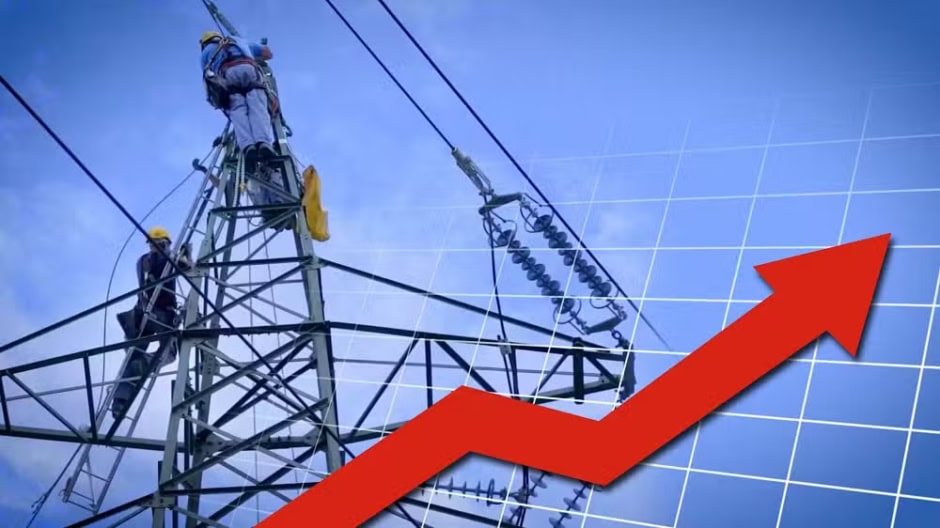
Pakistan’s power sector circular debt has surged once again after showing signs of improvement in FY25, highlighting continued structural challenges in the energy sector.
According to the Pakistan Electricity Review 2026, circular debt declined significantly during FY25 but the relief did not last long as liabilities increased by Rs. 228 billion within months.
The report states that circular debt dropped 32.5 percent year-on-year to Rs. 1.61 trillion by June 2025, compared to Rs. 2.39 trillion recorded a year earlier. However, by February 2026, the debt stock had climbed back to Rs. 1.838 trillion, reflecting renewed financial pressure.
Analysts cited several reasons behind the increase, including:
- Rising losses at electricity distribution companies (DISCOs)
- Legacy power purchase agreements
- Tariff shortfalls
- Operational inefficiencies across the power sector
The report also cautioned that depending heavily on the Debt Service Surcharge (DSS) to manage liabilities remains risky, particularly if electricity demand slows or financing costs continue to rise.
According to the findings, the reduction recorded in FY25 was largely supported by temporary financial adjustments and cleanup measures rather than deep structural reforms, making the rebound in circular debt unsurprising.
Consumers also played a major role in servicing sector liabilities, contributing Rs. 233 billion during FY25 toward debt repayments.
Experts note that without sustainable reforms in generation, distribution, pricing mechanisms, and recovery systems, pressure on Pakistan’s energy sector finances could continue.