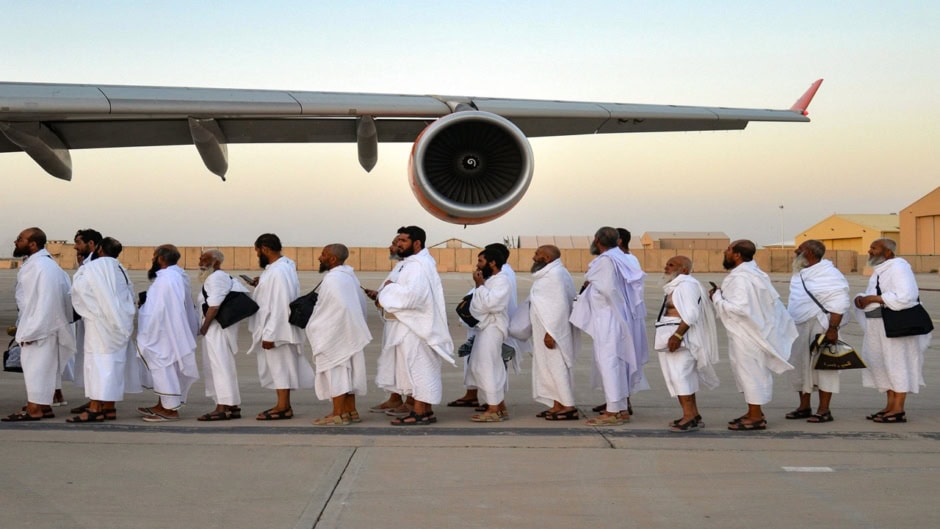
The ongoing Iran war has caused Hajj travel package prices to rise by three to five times their usual cost, disrupting pilgrimage plans for millions of Muslims worldwide.
Limited flight availability across the Gulf region and disruptions to supply routes have sharply increased the cost of travel packages ahead of departures this year.
A report published on Wednesday by the news website Semafor Gulf identified the Iran war as the primary driver behind the significant rise in Hajj-related expenses.
The central Hajj rituals are set to begin in Mecca next week, drawing pilgrims from across the world to the holiest site in Islam for the annual pilgrimage.
In 2025, approximately 1.6 million Muslims performed Hajj, with the largest numbers travelling from Indonesia, Pakistan, and India to fulfil the religious obligation.
Governments in Indonesia, Pakistan, and Malaysia have provided subsidies to reduce the financial burden placed on pilgrims by the sharp increase in travel-related costs.
Indonesia absorbed an additional $107 million in airline costs to shield its 221,000 registered pilgrims from price increases caused by the regional disruption this year.
India took a different approach, imposing an additional $100 surcharge on pilgrims, citing the significant rise in aviation fuel costs as the reason for the decision.
Religious tourism forms a core part of Saudi Arabia Vision 2030 strategy, which aims to diversify the kingdom’s economy beyond its dependence on oil revenue.
Saudi Arabia is making large-scale investments in airports, transport networks, and hotels linked to Hajj and Umrah as part of that long-term economic development plan.