
Bitcoin may be approaching a long-term market bottom during the third quarter of 2026, with some analysts predicting that the leading cryptocurrency could briefly dip below current support levels before beginning a recovery.
According to market analysis shared by crypto trader Killa, Bitcoin could “front-run” major liquidity zones and establish a macro bottom between $50,000 and $60,000 before reversing higher.
The analyst argues that many traders are expecting Bitcoin to fall toward the $50,000 level to clear a large concentration of liquidity and leveraged positions. However, markets often move unpredictably, and Bitcoin could reverse before reaching levels widely anticipated by traders.
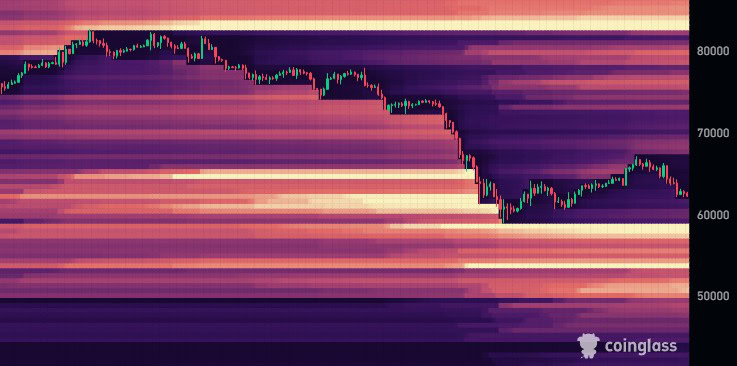
Killa suggested that if the major liquidity zone below $60,000 is swept during the coming months, it could potentially mark the end of the current bear market cycle and establish a long-term bottom.
The analyst noted that markets frequently “front-run” key price levels, meaning significant reversals can occur before reaching the exact targets expected by most participants.
Other market participants remain cautious about Bitcoin’s near-term outlook.
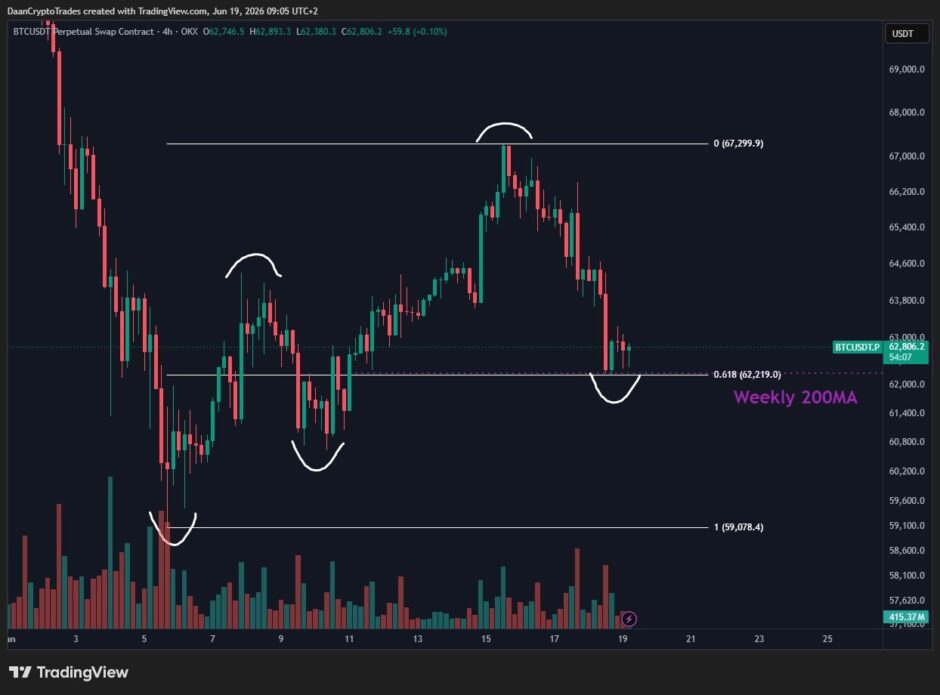
Crypto trader Daan Crypto Trades highlighted the importance of the $61,000-$62,000 support zone, warning that a break below this range could trigger additional selling pressure.
According to the analyst, maintaining support above these levels is critical for bulls seeking to prevent a deeper correction.
Meanwhile, market commentator Exitpump reported a rise in aggressive short positioning on the cryptocurrency exchange Binance.
The increase in bearish bets has contributed to a cautious short-term outlook among traders, with many expecting elevated volatility in the weeks ahead.
Despite concerns about further downside, some analysts believe a successful liquidity sweep and stabilization between $50,000 and $60,000 could provide the foundation for a broader market recovery later in 2026.
However, cryptocurrency markets remain highly volatile, and future price movements will likely depend on a combination of macroeconomic conditions, investor sentiment, regulatory developments, and liquidity trends.