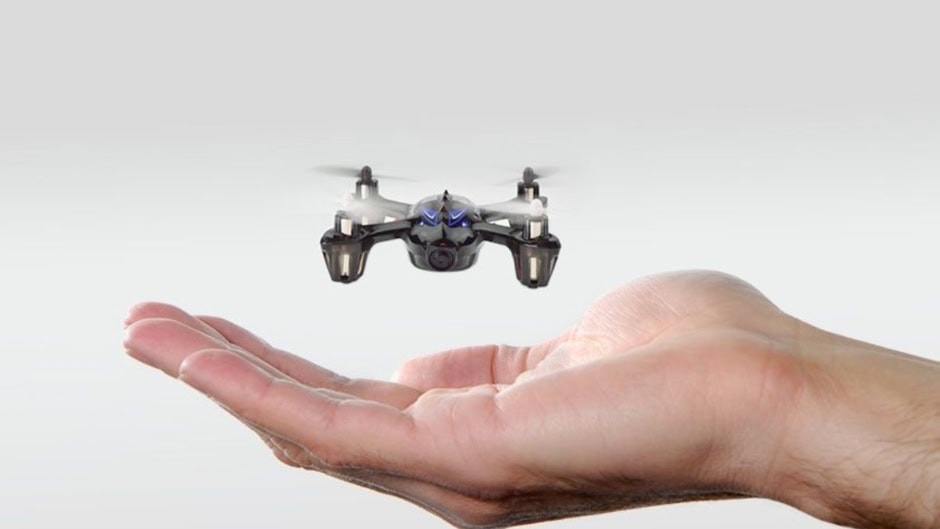
MIT researchers have developed a low-power chip that lets tiny drones and robots map their surroundings in 3D. The system builds detailed maps in real time while sipping power. The chip, called Gleanmer, consumes only about 6 milliwatts.
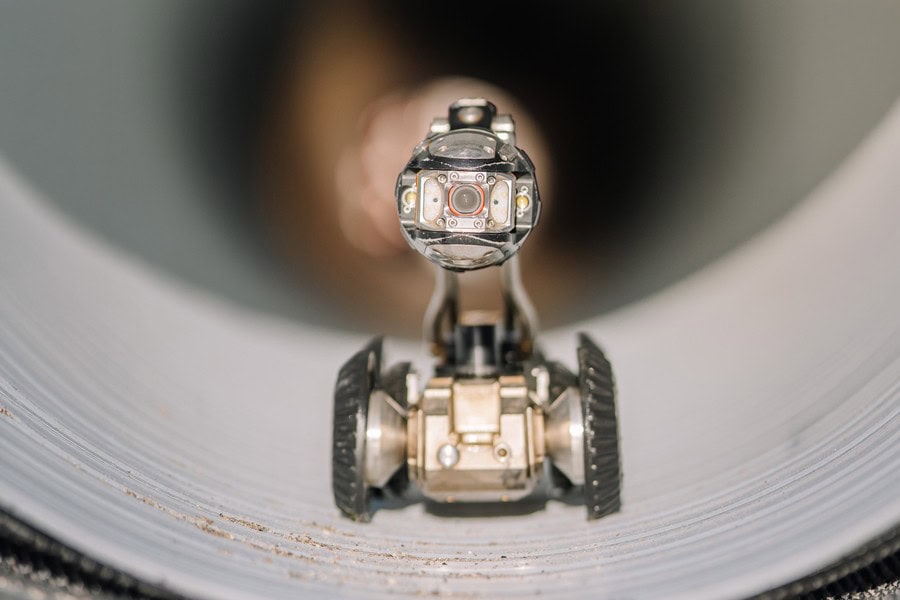
That efficiency could help battery-powered machines navigate cluttered spaces. Targets include industrial ventilation systems, warehouses, and tunnels. The technology could also map indoor spaces for lightweight augmented reality headsets without draining batteries.
Building 3D maps usually demands heavy memory and power. Robots must process large volumes of image data and store complex representations. Those demands make the task hard to run on small battery-powered devices.
The MIT team took a smarter approach to the problem. Instead of voxel-based maps built from millions of tiny cubes, it uses flexible shapes called Gaussians. These ellipsoid shapes represent curved objects and open spaces using far less memory.
“This paper showcases a key example of how you can leverage co-design of the algorithm and hardware to really push energy efficiency. While there has been a lot of work looking into compact 3D maps, what stands out about this work is that it also ensures that the process to generate those maps is as efficient as possible. Our chip allows you to store very large maps in a very small space, and do it in a very energy efficient manner,” says Vivienne Sze, a professor in the Department of Electrical Engineering and Computer Science (EECS), a member of the Research Laboratory of Electronics (RLE), and senior author of a paper on the chip.
The researchers paired the chip with a mapping algorithm named GMMap. The system creates 3D maps from depth images in a single pass. That lets it discard image data almost immediately instead of storing it repeatedly. As co-lead author Peter Zhi Xuan Li noted, the design stores only a few pixels at any moment.
“At any point in time, we only need to store a few pixels in memory, which significantly reduces the memory footprint our algorithm requires,” Li said.
The chip keeps active data in fast on-chip memory rather than power-hungry external storage. In tests across recorded environments, it generated 3D maps in real time. That used roughly 2.5% of the energy required by the best existing mapping chip.
Gleanmer can also reconstruct obstacles directly from a live iPhone camera feed. Reusing compact Gaussian shapes lets robots plan collision-free routes using about 20% of the usual energy. Senior author Vivienne Sze called it a key example of co-designing algorithm and hardware.
The team presented the research at the IEEE VLSI Circuits Symposium. Future versions could grow more efficient by placing computing closer to onboard sensors. You can read the research paper here.