Pakistan is actively seeking Chinese investment to establish local manufacturing plants for lithium-ion battery cells, a key component for electric vehicles and energy storage systems, officials said on Wednesday.
The move is part of Islamabad’s broader strategy to reduce its import bill, create jobs, transfer technology, and position the country as a regional exporter of batteries.
Hamad Ali Mansoor, CEO of the Engineering Development Board (EDB), confirmed that the government is finalizing a policy to promote local manufacturing of lithium-ion battery cells. The policy is expected to receive final approval from the Prime Minister soon.
“Again, this is the MoU stage, and the MoU stage is very nascent,” he said. “This is a very initial stage. But if I can put a word to it, it is a very substantial investment that will be coming.”
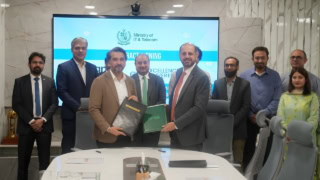
Last week, Pakistani industrial conglomerate Saigol Group signed a Memorandum of Understanding (MoU) with China’s Juhang Energy Technology Group to advance battery manufacturing in Pakistan.
Focus on Exports and Local Demand
Mansoor emphasized that the policy’s primary focus is on exports rather than just meeting domestic needs.
“This policy does not tend to manufacture battery cells for Pakistan only. Its main focus is exports, because labor in Pakistan is much cheaper than in our regional peers like India, Sri Lanka, etc.”
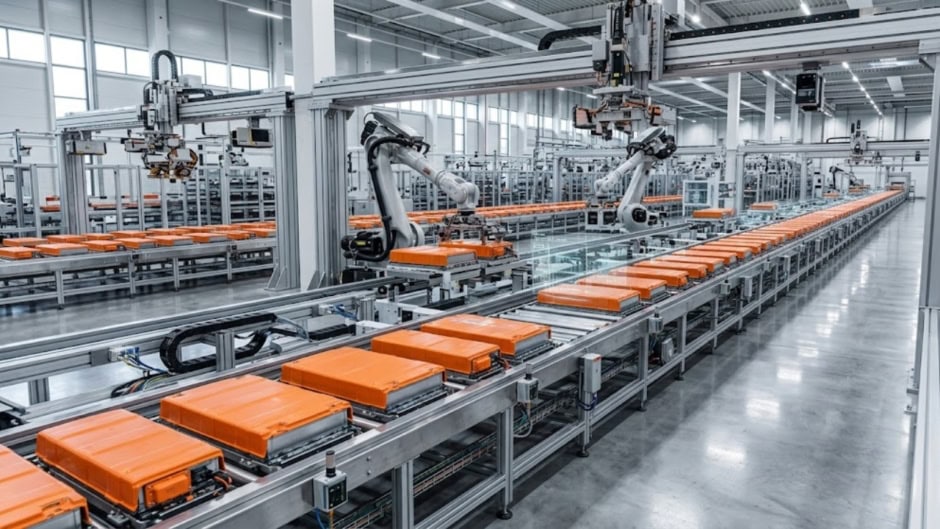
Pakistan currently has several battery assembly plants but lacks facilities for manufacturing lithium-ion cells, which is the core building blocks of modern batteries used in electric vehicles and Battery Energy Storage Systems (BESS).
Officials estimate domestic demand for lithium-ion batteries could reach between 65 GW to 100 GW by 2030, depending on economic growth.
Expected Chinese Investment
Mansoor described the expected Chinese investment as “very substantial,” though specific figures have not yet been finalized as discussions remain in the early stages.
Factories are likely to be established in Karachi and industrial areas of Punjab, including Faisalabad. One project is planned at the Karachi Industrial Park’s Special Economic Zone (SEZ) under a public-private partnership model.
Strategic Importance
Local manufacturing of lithium-ion cells is expected to:
- Significantly reduce Pakistan’s reliance on imported batteries
- Generate foreign exchange through exports
- Create employment opportunities
- Support the country’s electric vehicle and renewable energy goals
The development aligns with Pakistan’s efforts to strengthen its foreign exchange reserves and promote green technology adoption.
This latest initiative builds on Pakistan’s ongoing push toward electric mobility and local industrial development through deeper cooperation with Chinese partners.