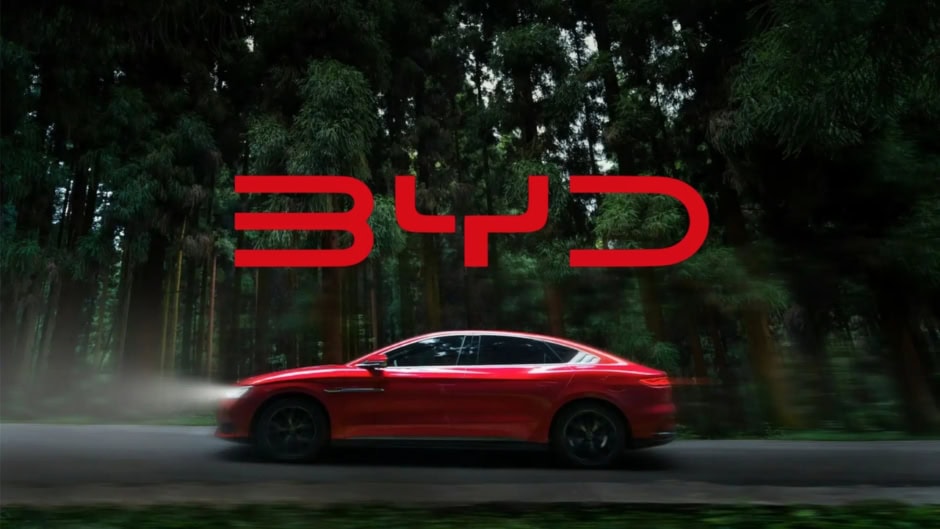
BYD has landed in an embarrassing mess in Australia, and thousands of new-car buyers are paying the price. The Chinese carmaker admitted it sold more than 1,265 customers vehicles built in 2025, even though their paperwork listed them as 2026 models. To make things worse, the problem only came to light after many owners had already driven their cars home.
The cars themselves are perfectly fine, since nothing mechanical or spec-related changed between the two model years. The error sits purely in the sales documents, where the recorded model year did not match the actual build date. That might sound minor, yet it hits something buyers genuinely care about, namely resale value.
When two identical cars sit side by side for the same price, people naturally pick the newer one. So a 2025 build loses value faster than a 2026 model, leaving these owners quietly out of pocket the moment they signed. The gap only widens once a wave of 2025 stock reaches the used market.
BYD’s first response made the frustration worse. The company initially offered affected customers a refund covering just their delivery charges, which some owners said worked out to a little over $1,100. Predictably, that felt insulting next to the real hit on resale value. Only after the story broke in the media and pressure built did BYD change its tune.
Within days, the carmaker backflipped and promised full refunds to anyone who wanted one. BYD’s public relations director, Paul Ellis, apologized and confirmed the expanded offer. Even so, the damage to goodwill was already done, because customers noticed the fix arrived only once the story went public. The timing also stings for BYD, which is pushing hard for global growth while its reputation for customer service takes another knock.