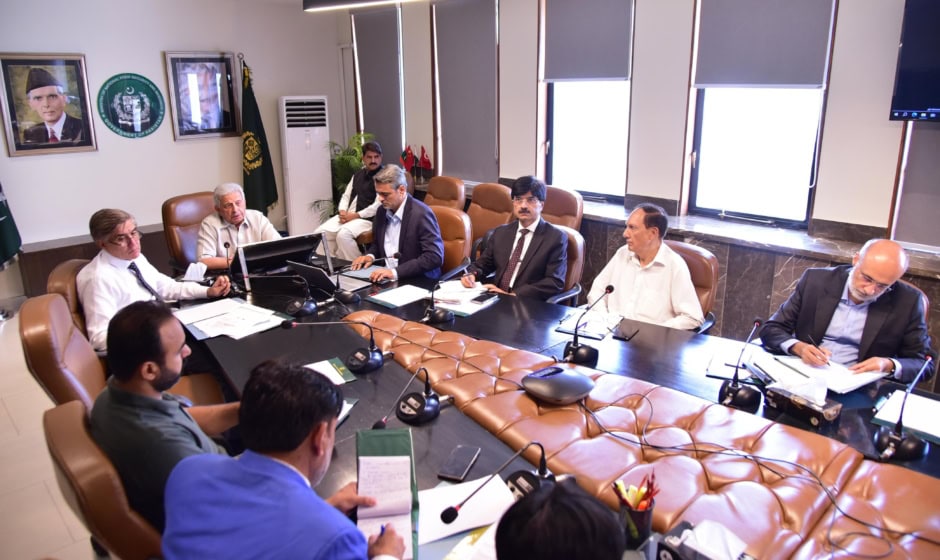
Pakistan faces a wheat shortage that has forced the government to turn to imports. Federal Minister for National Food Security and Research Rana Tanveer Hussain convened a high-level Wheat Board meeting on July 28 to confront the reality: provincial demand for wheat from Pakistan Agricultural Storage & Services Corporation (PASSCO) stocks has exceeded what’s currently available in the national buffer.
During the meeting, held in Islamabad, provincial agriculture secretaries and officials from all federating units submitted their wheat requirements. When tallied together, the collective provincial demand exceeded PASSCO’s available inventory. This triggered a strategic pivot toward exploring imports of approximately 1 million tones of wheat to plug the gap.
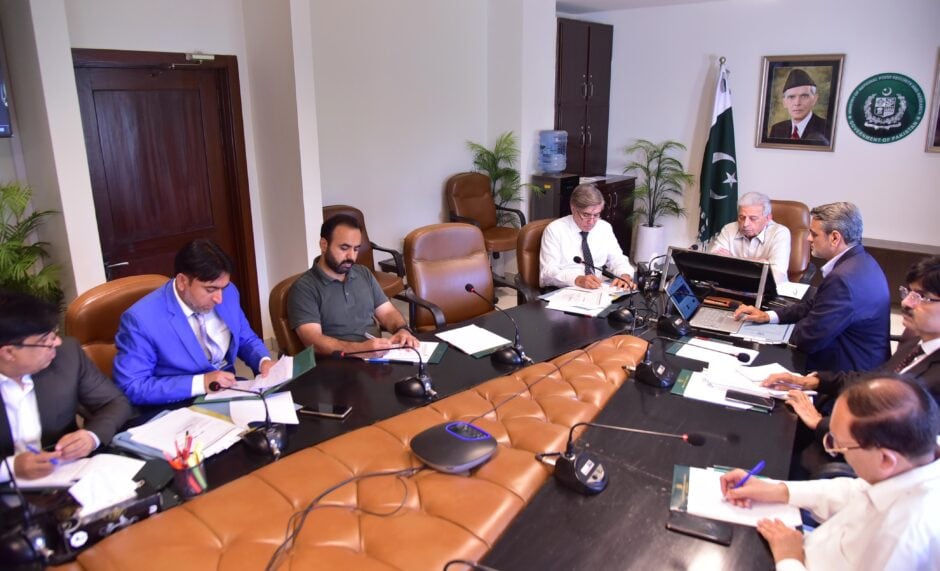
The meeting brought together key players in Pakistan’s food security apparatus. Beyond the Federal Minister, attendees included the Secretary of the Ministry of National Food Security and Research, the Prime Minister’s Coordinator on Agriculture, agriculture secretaries from all provinces, representatives from Gilgit-Baltistan and Azad Jammu and Kashmir, senior ministry officials, and the Pakistan Flour Mills Association. The breadth of attendance underscored the urgency and national scope of the challenge.

What differentiates this import decision from panic buying is process. The government determined the import quantity based explicitly on provincial submissions rather than guessing or purchasing arbitrarily. Rana Tanveer Hussain made clear that transparency matters.

He emphasized that all provinces would be kept fully informed during the import process, particularly regarding quality specifications of incoming wheat, and that distribution would follow provincial requirements strictly.
The stakes are high because wheat is foundational to Pakistan’s food security and household food costs. Any shortage ripples through inflation and consumer purchasing power nationwide.
The government’s commitment to consulting provinces and ensuring equitable allocation signals an attempt to prevent hoarding, unfair regional distribution, or quality compromises that could undermine the entire effort. Hussain directed authorities to complete arrangements efficiently while maintaining close coordination with all provinces.