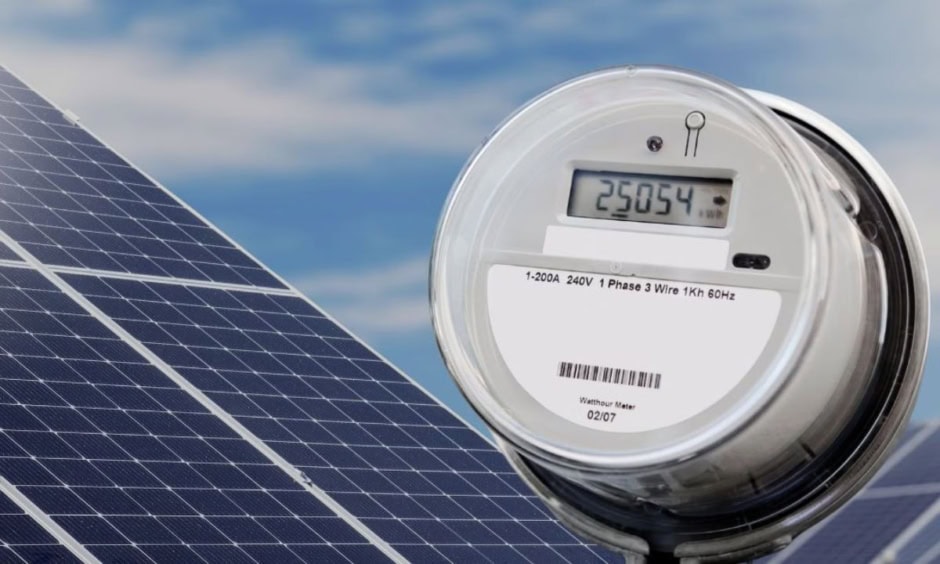
The Power Division has proposed a new incentive mechanism that would pay solar battery owners extra for supplying stored electricity during evening peak hours, as the country grapples with rising demand and a fast-expanding but unregulated battery storage market.
Under the proposed Time-of-Use (ToU) net metering and net billing formula, solar owners with battery backups could earn Rs 18-22 per kWh for electricity supplied between 5 PM and 10 PM, the period of highest demand.
The mechanism is designed to convert batteries into a grid-support tool by encouraging users to store solar power during the day and release it when the system comes under the most pressure in the evening.
The proposal comes as evening peak electricity demand in Pakistan has crossed 26,000 MW, placing significant strain on grid system operators already struggling to manage distribution during peak hours.
The push toward battery storage is being driven by rapid growth in the local market.
Lithium-ion battery imports reached 6.004 GWh, valued at Rs 126 billion ($454.7 million), between January 2024 and June 2026. Monthly imports surged by 1,640 percent over that period, rising from 42 MWh in January 2024 to a record 652.2 MWh in April 2026.
The trend reflects a broader shift in the solar market, moving away from simple rooftop generation toward off-grid, battery-supported systems that store daytime solar energy for use or supply during evening peak demand. Telecom operators, commercial users and larger projects are also increasingly adopting battery storage.
However, the sector is expanding faster than the regulatory framework meant to govern it. Limited progress has been made on safety standards, grid connection rules, battery registration requirements and a formal tariff structure for storage services.
Without adequate regulation, rising solar and battery adoption could prompt more consumers to reduce their dependence on the national grid. This shift would leave remaining grid-dependent consumers to bear a larger share of the overall power bill burden.