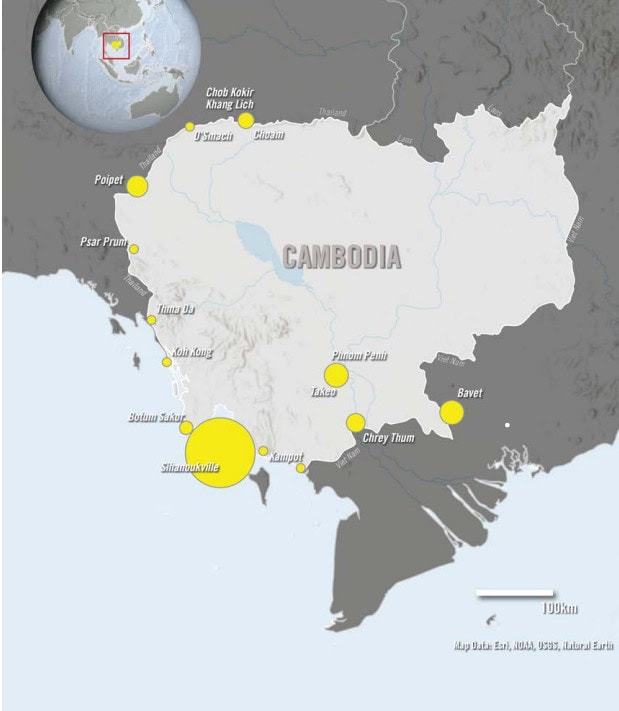
OpenAI disrupted a coordinated scam operation based in Poipet, Cambodia, that was using ChatGPT to run investment fraud, romance scams, fake gambling platforms, and law enforcement impersonation schemes simultaneously. The company banned a network of ChatGPT accounts likely originating from Southeast Asia and investigated the operation in partnership with Meta-owned WhatsApp.
The Cambodian border city of Poipet has extensive documented ties to scam compounds and human trafficking, where criminal organizations lure workers with promises of legitimate employment before confiscating passports and forcing them into slave-like conditions.
Amnesty International and UNODC published findings earlier this year linking organized crime groups in East Asia to forced labor operations exactly like the one OpenAI uncovered, and some of the banned accounts generated content consistent with recruitment for these trafficking operations.
The scam network used ChatGPT across every layer of the operation. Operators created and maintained fake online personas including dating profiles, fictitious investment experts, and fraudulent law enforcement characters. They used the AI tool to generate and translate messages sent to targets, create promotional content for their schemes, and produce forged documents including passports, legal notices, stock-purchase confirmations, and gambling platform interfaces. The network even used ChatGPT for internal administrative tasks like drafting staff announcements, tracking employee debts, salary deductions, fines, and documenting visa overstays and immigration status.
The recruitment arm of the operation was particularly insidious. The network created social media advertisements for “chatter” jobs in Poipet specifically targeting users in Bangladesh and India, promising $800 base salaries with $100 attendance bonuses, flight tickets, free accommodation, meals, one-year Cambodia visas, and work permits. These are the exact false promises that trafficking operations use to lure victims into compounds where they are trapped and forced to run scams under threat.

The fraud itself followed what OpenAI describes as a three-step “ping-zing-sting” approach. Scammers initiated contact through WhatsApp and Telegram, built trust through extended conversations using synthetic identities, and then instructed victims to make deposits, pay activation fees, or settle fabricated fines. Victims received fake screenshots of transfers or account balances as proof of payment.
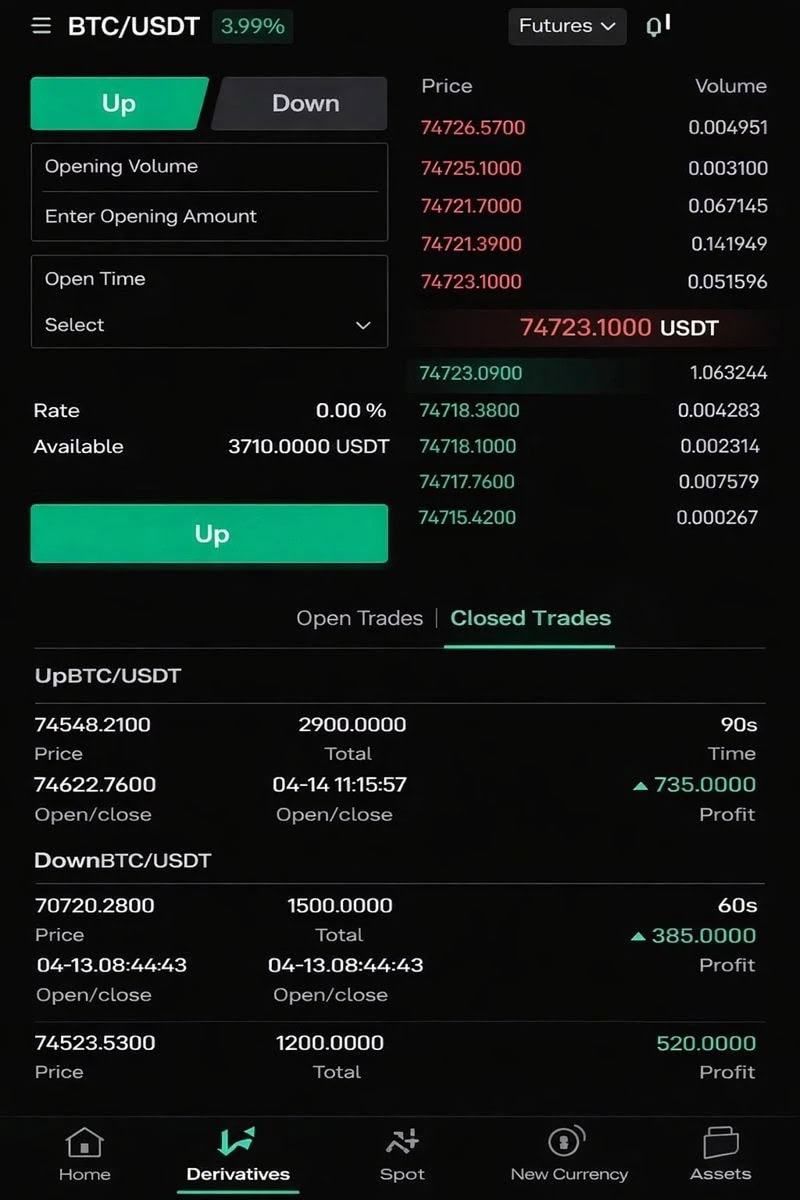
The operation blended romance scams with cryptocurrency and spot gold investment fraud, fake gambling bonuses, and impersonation of law enforcement officials who told targets they needed to pay fines for serious criminal offenses they never committed.
OpenAI acknowledged the full scale of financial losses remains unknown, but internal communications from the scammers referenced individual victims losing thousands of dollars across hundreds of targets spanning multiple scam types.
They said:
The full scale of financial losses associated with the network is unknown, but based on the scammers’ own communications, the operation may have interacted with hundreds of targets across multiple scam types. User conversations referenced individual victims losing thousands of dollars, although we are unable to independently verify those claims.
The disruption highlights a growing tension in the AI industry. The same tools that power legitimate productivity are being weaponized by organized crime to scale fraud operations that would have required dozens of human operators just two years ago.
OpenAI framed the takedown as evidence that modern criminal groups “opportunistically employ whatever narratives, personas, and tactics they think will be most effective to deceive victims,” and that ChatGPT gave them the speed and versatility to run five different scam types from a single compound.