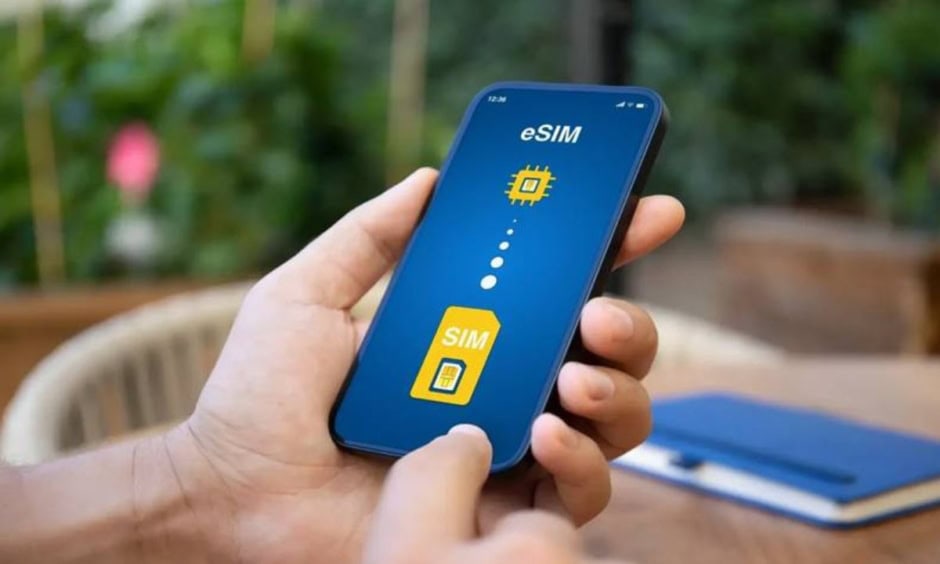
Only 8 to 12 percent of smartphones currently in use across Pakistan are capable of supporting eSIM technology, even as the Pakistan Telecommunication Authority (PTA) rolls out a new policy aimed at making the digital SIM more accessible to ordinary users.
The regulator has fixed the initial eSIM issuance fee at Rs1,500 and will allow subscribers to transfer their eSIM between devices free of cost at least 10 times. The policy takes effect on August 17, 2026.
Pakistan currently has more than 190 million active mobile connections, official data shows.
Smartphones account for roughly 55 to 60 percent of these connections, putting the number of smartphone users in the country at nearly 100 to 110 million. Yet only a small fraction of these devices, between 8 and 12 percent, support eSIM functionality at present.
The gap exists because eSIM chips are built mainly into flagship and mid-range devices.
These include Apple’s iPhone XS and later models, Samsung’s S and Note series, Google Pixel phones, and select high-end models from Xiaomi and Motorola. Budget and entry-level phones, which make up the bulk of the Pakistani smartphone market, do not yet carry eSIM hardware.
Industry observers expect this to change over the next few years. As manufacturers extend eSIM hardware to cheaper handsets, adoption in the local market is likely to accelerate, a trend they say will be reinforced by the new policy and its capped fee structure.