
NOTE: Things are returning back to normal. Only some erroneous patches remain, as Google is trying to patch the glitch on the website and app. This is a developing story.
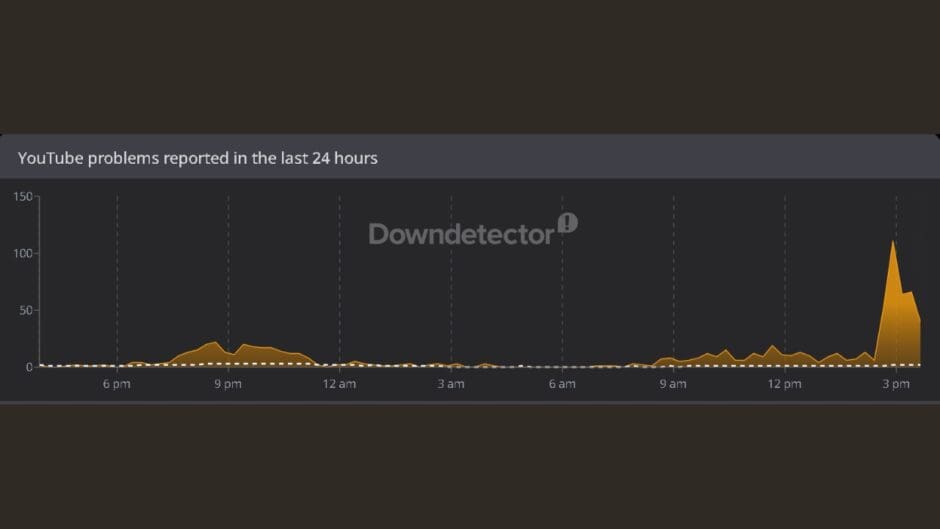
YouTube is experiencing disruptions across Pakistan on the evening of August 13, with Downdetector Pakistan registering a spike in user reports indicating problems with the platform’s video playback, app loading, and website access.
The outage tracker’s status page currently reads “User reports show possible problems with YouTube,” confirming that the complaints are not isolated to individual users or specific ISPs.
The timing is particularly frustrating for Pakistani users because it falls on the eve of Pakistan’s 79th Independence Day, a night when millions typically stream patriotic content, live shows, musical performances, and flag-raising ceremony coverage through YouTube.
Google’s own data shows Pakistan hosts over 1,200 YouTube channels with more than one million subscribers each, and the platform serves as the country’s second most-visited website with 285.24 million monthly visits. Any disruption on a high-traffic national event night affects an outsized number of concurrent viewers.
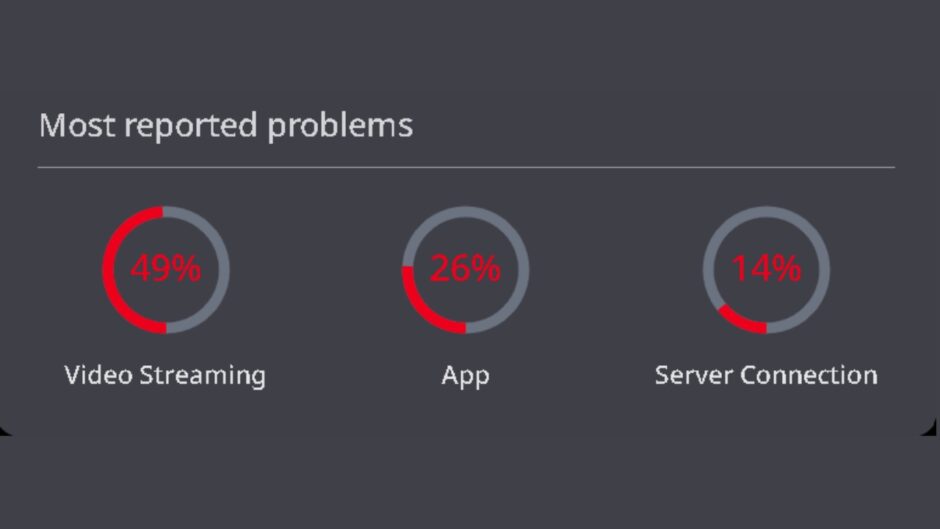
User complaints concentrated around three categories based on Downdetector’s reporting breakdown: video playback failures where content loads but will not play or buffers endlessly, app crashes where the YouTube mobile application fails to launch or freezes after opening, and website access issues where the browser version either returns errors or displays a blank feed without video thumbnails. These patterns are consistent with either a server-side delivery issue affecting the South Asian region or a CDN routing problem impacting Pakistani ISP pathways to Google’s content servers.
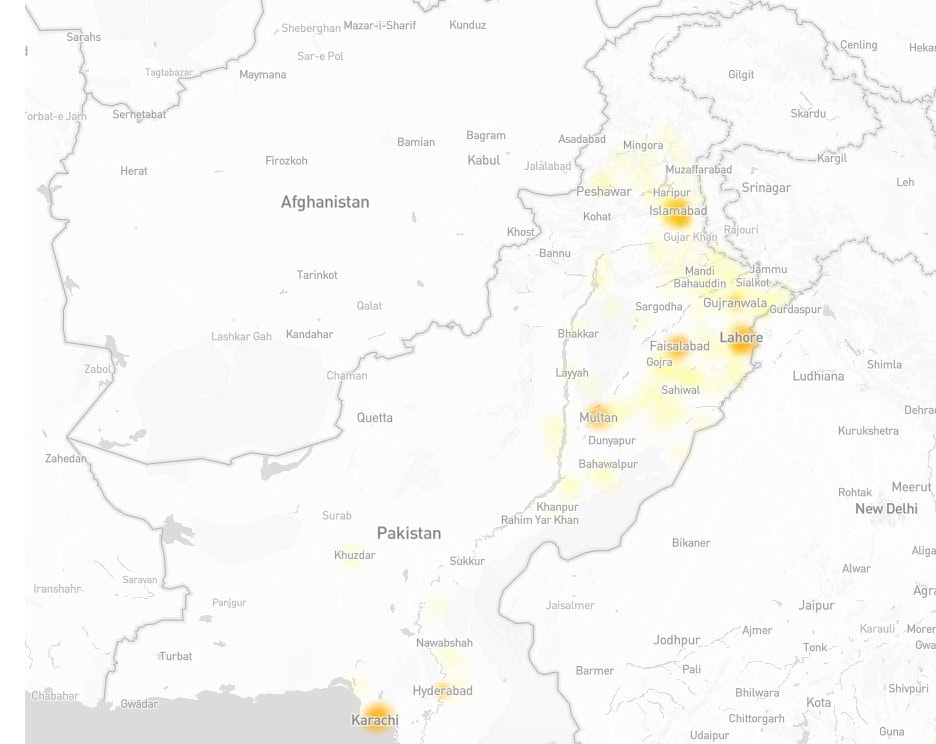
Google has not issued any official acknowledgment of the disruption as of publication time, and YouTube’s global status dashboard does not currently reflect a confirmed outage. That lag between user experience and official acknowledgment is common during regional disruptions because Google’s monitoring systems prioritize global-scale incidents over country-specific degradation patterns that affect smaller user populations.
Pakistani users experiencing issues can try several immediate workarounds while waiting for resolution from Google’s engineering teams. Switching between Wi-Fi and mobile data sometimes resolves CDN routing issues that affect specific ISPs. Clearing the YouTube app cache through phone settings can fix local loading failures caused by corrupted temporary files. Reducing video quality to 480p or lower often bypasses buffering caused by throughput bottlenecks between Pakistani ISPs and Google’s edge servers. Using a VPN to route traffic through a different geographic endpoint can confirm whether the issue is Pakistan-specific or part of a broader regional disruption.
This is not the first time YouTube has experienced Pakistan-specific disruptions during high-traffic periods in the country’s digital calendar. The platform’s reliance on content delivery networks that route through limited international submarine cable connections makes it vulnerable to congestion during peak usage events, particularly when millions of users simultaneously stream high-definition video content.
.