High in snow-clad mountains of Pakistan, communities face an impossible choice. For many, livestock herding is the one of the few ways that sustain families economically. Consequently, snow leopards and other predators threaten animal survival. A single predation event can destroy 60 to 70 animals, devastating families depending on herds for income.
WWF-Pakistan and the Lahore University of Management Sciences (LUMS) has taken an initiative to help such dependent livelihoods, and has deployed an innovative solution using artificial intelligence and Raspberry Pi 4 to transform this conflict.
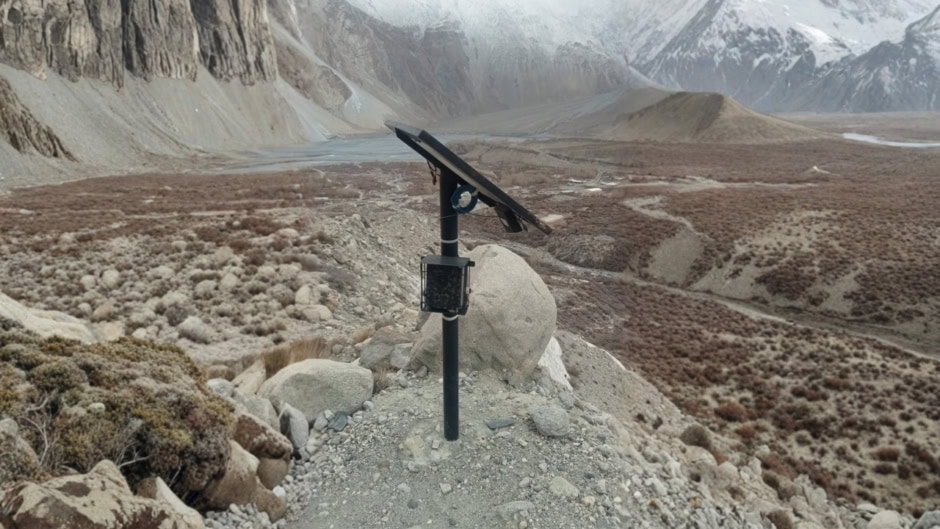
The Predator Early Warning System (PEWS) combines solar-powered camera traps built around Raspberry Pi 4 single-board computers strategically installed in high-risk zones near human settlements. Since 2022, these units have captured wildlife images continuously, transmitting real-time data through local 4G networks to central monitoring platforms. A trained AI algorithm analyzes incoming images to detect snow leopards, foxes, wolves, and Himalayan lynxes.
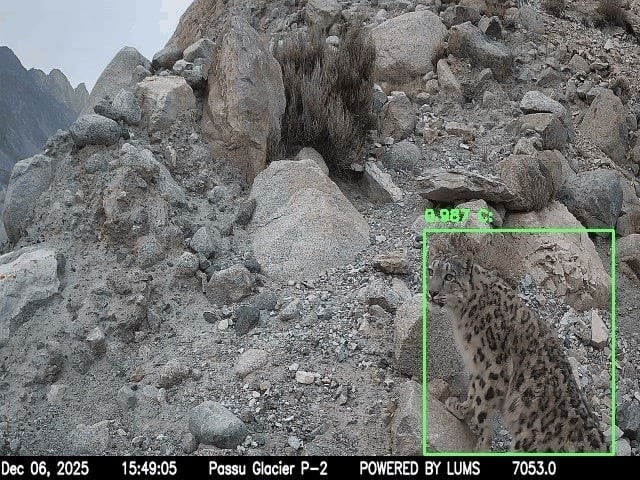
The system represents a fundamental shift in predator-livestock conflict management. When the AI identifies predators near grazing areas or livestock enclosures, it automatically generates alerts for field teams and community members. This early warning capability enables villagers to secure livestock before attacks occur, shifting response from reactive to preventative. Communities no longer lose animals or feel forced to kill predators in retaliation.
Raspberry Pi 4 proved ideal for this application despite harsh high-altitude mountain environments. The devices demonstrate durability in extreme cold, sparse infrastructure, and remote locations. Solar power provides sustainability without external energy infrastructure. The combination of affordable hardware with intelligent edge processing enabled deployment across multiple high-risk zones without excessive operational costs.
The technology’s impact extends beyond economic protection. By reducing livestock losses, the system breaks psychological cycles of fear and retaliation defining human-wildlife conflict historically. Communities are recognizing snow leopards not solely as threats but as ecologically important species maintaining healthy mountain ecosystems. This attitude shift represents perhaps the innovation’s deepest value, transforming how local populations view predator conservation.
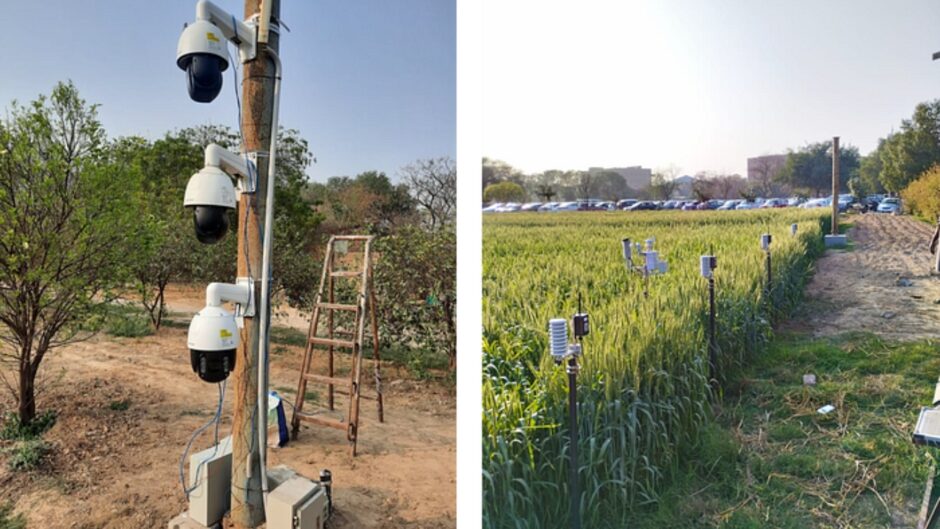
The success prompted expansion plans across additional high-conflict areas in the region. The Forest, Wildlife and Environment Department of the mountain province has committed support for broader deployment.
The next research phase involves developing methods to deter predators from attacking livestock altogether, moving beyond detection to prevention.