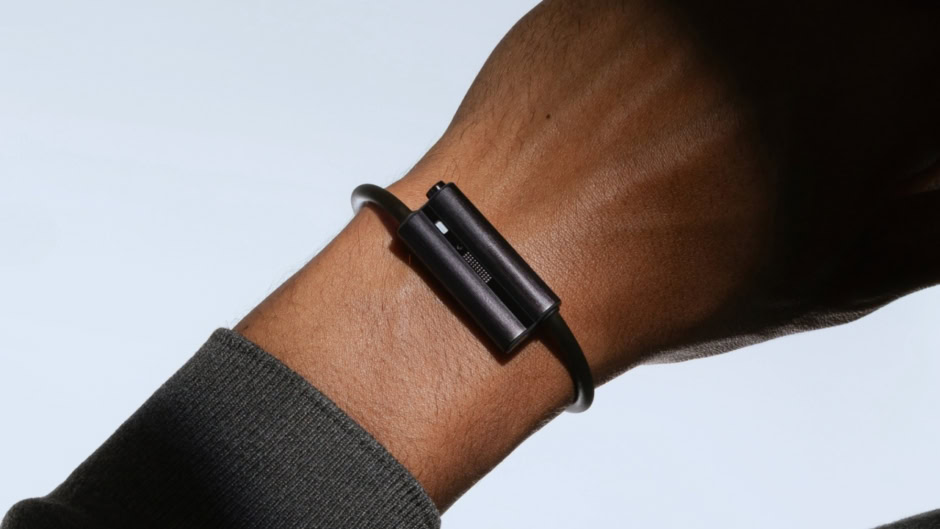
Fitbit co-founders James Park and Eric Friedman launched Luffu Link on Tuesday, an LTE-enabled health and safety band designed to monitor both physical and mental wellbeing.
Since the wearable combines all-day health sensing, voice logging, location awareness, and emergency contact features into a single device, users never need a nearby phone to access its core functions.
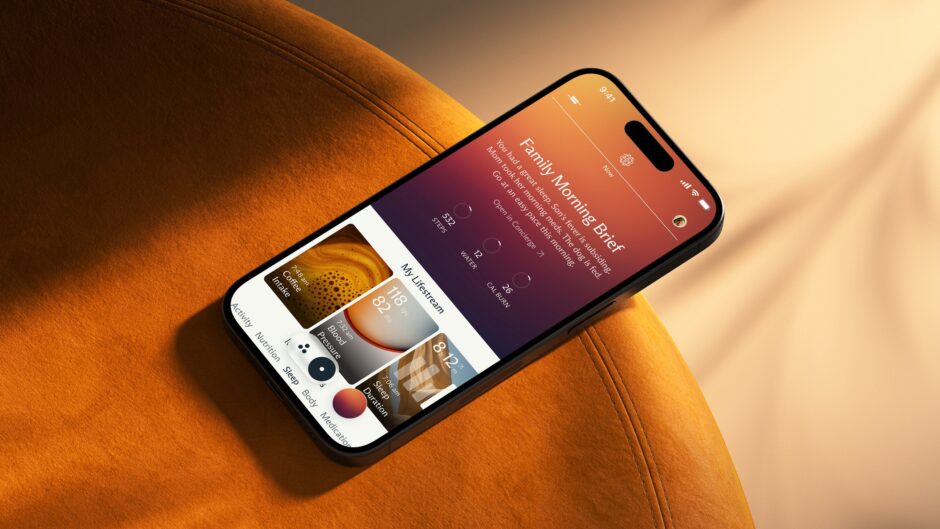
The $250 device is available for preorder now, with shipping expected in early 2027. Because Luffu Link represents the startup’s next step toward building an intelligent family care system, it complements the Luffu health-monitoring app the company launched earlier this year. That app uses AI in the background to gather family information, learn daily patterns, and flag notable changes so families can address wellbeing concerns proactively.
Park and Friedman built Luffu after their own experiences caring for aging parents revealed how fragmented available tools actually were.
They explained in an interview that family caregivers spend over 27 hours weekly on caregiving tasks, according to research, and that technology could meaningfully reduce this burden.

Users can press a button to log updates by voice, covering medications, symptoms, meals, mood, and reminders, while the app organizes everything into broader family context.
Beyond voice logging, the wearable continuously tracks standard wellness data, including activity, sleep, resting heart rate, calories burned, heart-rate variability, and breathing rate. This continuous monitoring identifies daily patterns and flags meaningful changes over time.
Park emphasized that Link differs from typical trackers because it interprets data rather than simply displaying it, since the goal involves answering whether a change matters rather than generating another dashboard full of graphs.
Built-in GPS keeps trusted contacts informed of a wearer’s location, while a quick double press enables check-ins without calls or texts. Because built-in LTE service comes included, wearers can send help requests directly from the device during emergencies, transmitting voice messages alongside location, battery level, and health metrics to family members.
Unlike screenless wearables designed purely for individual fitness tracking, Link centers on family connection and everyday health awareness. Park noted the deliberate screenless design aims to keep the device feeling like jewelry rather than a bulky emergency pendant.
Luffu also teased an upcoming home device extending its intelligent family care system beyond wearables, while Link’s retail price will eventually reach $300.