Punjab will require an estimated Rs. 135 billion by 2035 to achieve a 90 percent literacy rate, as the province continues to face a major education challenge involving millions of out-of-school children and illiterate adults.
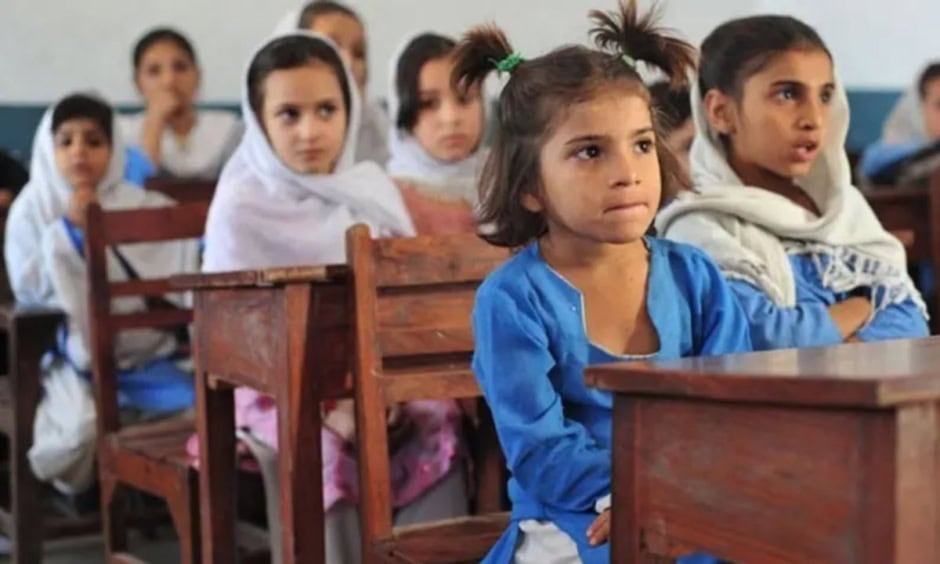
According to data shared by the Literacy and Non-Formal Basic Education Department, Punjab currently has around 9.6 million out-of-school children and 26.8 million illiterate adults.
Officials said a large proportion of out-of-school children are between the ages of 8 and 16. Many of these children are considered overage for conventional schools, making it difficult for the formal education system to accommodate them. As a result, the non-formal education sector is being considered a key option for bringing these children back into education.
The figures were presented on International Literacy Day, highlighting the scale of Punjab’s literacy challenge.
The department has established 20,273 non-formal schools across the province, providing educational opportunities to more than 593,000 children.
It has also established 1,260 adult literacy centres across all 36 districts of Punjab. Officials said the department currently reaches more than 800,000 targeted learners across central, northern and southern parts of the province.
Literacy and Non-Formal Basic Education Department Director General Asim Javed said a comprehensive strategy has been developed to improve literacy levels among the province’s population.
He said the required funding would be used to expand non-formal schools, train teachers, provide learning materials and establish additional adult literacy centres.
Javed said the department’s accelerated learning model enables students to complete elementary-level education in 18 months, compared with 36 months under the conventional education system.
Meanwhile, adult literacy programs can help learners achieve basic literacy within six months through dedicated literacy centres.
The department is also linking education with employment opportunities. Officials said 13 market-oriented technical trades have already been introduced, alongside sector-specific initiatives in areas including agriculture, health and mining.
Dr. Irshad Baig, Director of Monitoring and Assessment at the department, said authorities are monitoring 6.8 million children enrolled in literacy schools to maintain education standards.
He said real-time monitoring and ICT-based performance systems are being used to strengthen accountability and transparency across the non-formal education network.
According to the department, the number of primary-level graduates increased from 12,055 in 2019 to more than 29,000 annually. In addition, 470 schools have been upgraded to the elementary level.
Punjab Chief Minister Maryam Nawaz also marked International Literacy Day by paying tribute to individuals and organizations working to promote education.
In her message, she said literacy is a fundamental right that should be ensured for every citizen. She also emphasized the growing importance of digital literacy for the younger generation.
A special ceremony was held by the department to highlight Punjab’s literacy challenges and the need to bring out-of-school children into the mainstream education system.
The provincial government’s planned investment of Rs. 135 billion reflects the scale of resources required to expand non-formal education, improve adult literacy and move Punjab toward its 90 percent literacy target by 2035.