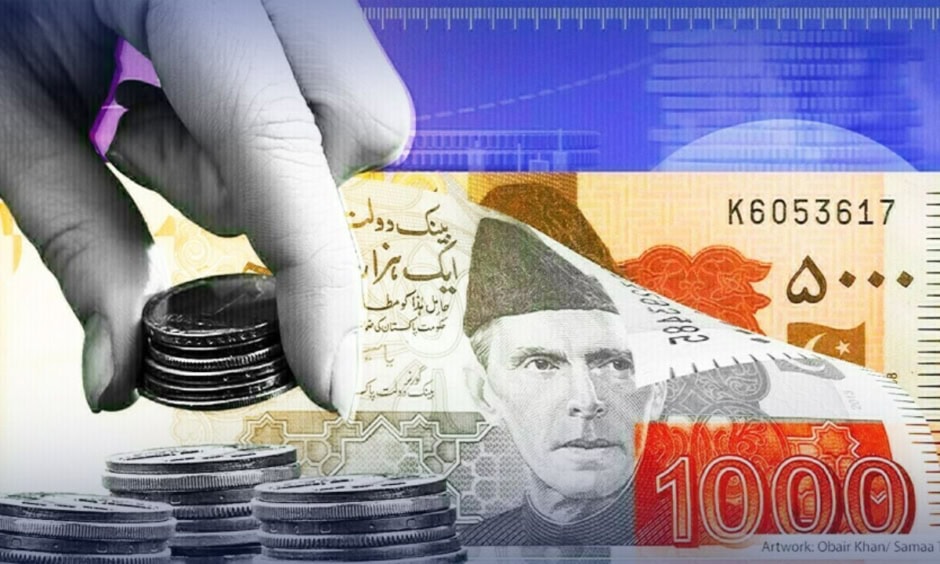
The federal government is reducing income tax and sales tax exemptions in the upcoming fiscal year budget 2026-27, aiming to generate additional revenues.
Preparations for the budget 2026-27 are currently underway, with the Shahbaz Sharif-led government finalising key decisions on tax policy and revenue collection reforms.
The government has decided to reduce exemptions in both income tax and sales tax sectors, a move expected to generate additional revenue equivalent to 0.15 percent of GDP.
A further 0.15 percent of GDP in additional revenue is expected to be raised through implementation of the ongoing structural reform programme of the Federal Board of Revenue (FBR).
According to official documents, the total additional revenue of FBR is projected to reach Rs7,022 billion by the end of December 2026, reflecting ambitious collection targets.
The federal government has assured the International Monetary Fund (IMF) that additional tax measures will be introduced if government revenues fall below the targeted levels.
The upcoming budget will include permanent tax policies and improvements to the tax collection system, generating additional revenue equivalent to 0.3 percent of GDP.
Further measures based on previous IMF recommendations will also be incorporated into the budget framework to strengthen the overall fiscal position of the country.
IMF Flags FBR Shortfall
IMF has criticized FBR for poor revenue performance, persistent shortfalls, and stressing urgently expanding the tax base by registering more individuals and businesses.
Official documents revealed FBR missed targets, recording a Rs336 million shortfall in six months, which later increased significantly to Rs684 million within ten months.
The IMF blamed underperformance on a narrow taxpayer base, urging registration of shopkeepers and retailers, and limiting large transactions to compliant, active income tax filers.
Additionally, tax collection from power, oil, and gas sectors lagged expectations, while Pakistan pledged reforms including digital invoicing, production monitoring systems, and a new audit framework.
Lawmakers criticized the tax policies of FBR for harming businesses and the economy, while officials stated reform benefits would emerge next fiscal year, as efforts focus on existing taxpayers.