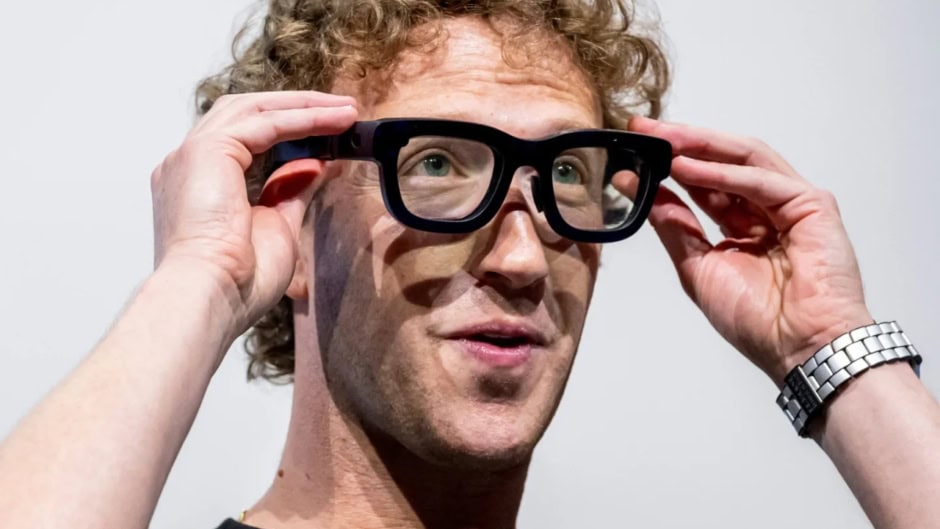
The tech giants have decided AI glasses are the next big thing, yet the public seems to disagree loudly. Meta and Snapchat are both pouring resources into artificial-intelligence-powered eyewear, but a rising tide of negative sentiment over privacy and wearability now threatens to sink the entire push. The hardware may be impressive, though winning hearts is proving far harder than winning benchmarks.
Meta’s privacy concerns are always in the headlines, as the company recently had to update its AI glasses. Reports that some users were paying hackers to remove the recording indicator light, letting them film people without any warning caused a major privacy uproar. That followed a wider pattern, since Wired documented a rise in “Meta Ray-Ban creeps” recording strangers without consent, feeding hours of footage back to Meta’s systems.
In March, U.K. regulators opened an investigation after a Swedish publication reported that Meta’s content-review contractors were watching intimate footage captured through the glasses, including bathroom visits and private moments. Rather than retreat, Meta pushed ahead, reportedly testing a version that records constantly to train a personalized AI, while its own chief technology officer confirmed the company is exploring facial recognition in the device.
The reputational damage is now hitting the culture. Meta’s glasses are reportedly earning the nickname “pervert glasses,” with some owners too embarrassed to wear them in public. However, none of that seems to affect Meta’s ambitions. We now have reports that Meta is also exploring the possibility of adding facial identification into the device, sparking further concerns about how its glasses could be used as surveillance tools.
Snapchat’s entry has fared little better, as its upcoming AR Specs drew mockery for their enormous size. At a reported $2,000 per pair, expanded features may not overcome the missing cool factor that any consumer wearable needs. However, it still not exempt Snapchat from the mistakes Google made with Google Glass back in 2010s.
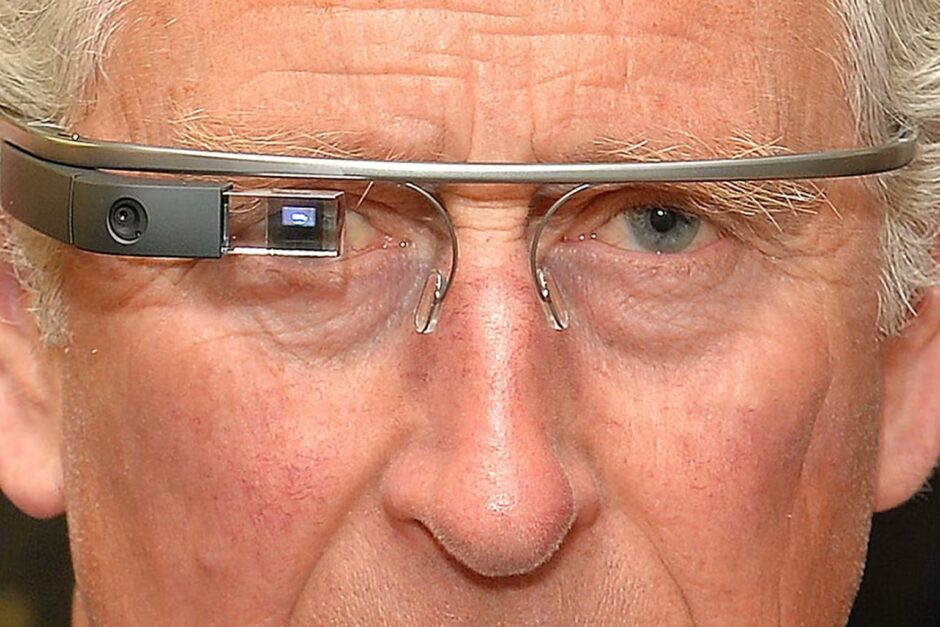
Back in 2015, after just two years in the market, Google Glass was undone, partly by its $1,500 price but mostly by stigma. Due to the same privacy and ergonomic concerns, these glasses were banned from bars, cinemas, and casinos over recording fears. We are now seeing it happen with Meta: New York just banned camera-equipped glasses from all courthouses, likely the first of many such restrictions.
The stakes for Meta may be a tad higher than that for Snapchat. It is because Meta has bet its future on AI, and it sees glasses as the device that could eventually supersede the smartphone as our main connection to the digital world.
Yet even Alexandr Wang, who leads Meta’s Superintelligence unit, admitted this year that AI tools are “not overwhelmingly better” for most users yet. If negative sentiment keeps rising, these glasses could join Google Glass as a cautionary tale rather than a revolution.