Security researchers at Paradigm Shift have disclosed a serious hardware-level security flaw affecting several Apple devices. The vulnerability, named “usbliter8,” is tied to the USB controller system and specific Apple silicon chips.
The researchers explain that the issue comes from a hardware bug in the USB controller combined with a firmware design flaw. Because the problem exists at the hardware level, it cannot be fixed through software updates, making it effectively unpatchable.
However, exploitation is not simple. An attacker must first gain physical access to the device. Without physical access, the flaw cannot be triggered remotely.
The attack works when a device is put into Device Firmware Update (DFU) mode. At that stage, specially crafted data can be sent through the USB connection. This can confuse the USB controller and cause memory to be written in the wrong location. As a result, custom code may run before iOS fully boots.
This early execution allows attackers to bypass signature checks. It could also enable modified system software to run on the device. Despite the severity, the researchers confirmed that Apple’s Secure Enclave remains unaffected. This means encrypted data, such as passcodes and sensitive user information, stays protected.
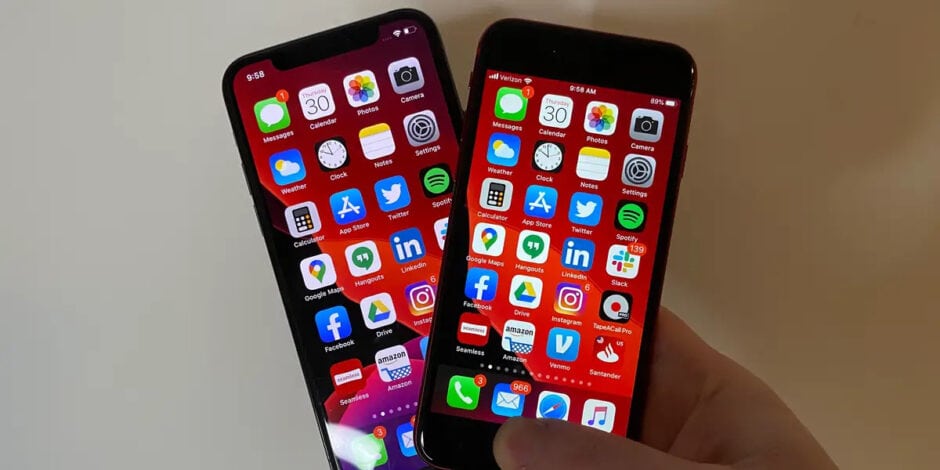
The usbliter8 flaw impacts devices using Apple’s A12, A13, S4, and S5 chips. The list includes iPhone XR, iPhone XS, and iPhone XS Max. It also affects iPhone 11 models and iPhone SE. Other impacted devices include iPad Air 3, iPad mini 5, iPad 8, and iPad 9.
Additionally, the second-generation Apple TV 4K is affected. Apple Watch Series 4, Series 5, and Apple Watch SE are also included. The Studio Display is part of the affected hardware list.
According to the researchers, users cannot protect these devices through a software update. The vulnerability remains at the hardware level, and it was noted that Apple also worked with them during the disclosure process. However, a full fix is not possible for existing hardware.
The only long-term protection is device replacement. This becomes more important in cases of theft or physical compromise.