The government of Pakistan may reintroduce fuel conservation and austerity measures as early as this week or next, as renewed tensions in the Middle East drive up oil prices and pressure foreign exchange reserves, a senior government official told Dawn.
Prime Minister Shehbaz Sharif has already discussed conservation measures over the past week, and the matter is likely to return to the federal cabinet for a formal decision in the coming days, depending on the regional security situation.
Measures introduced in March, following the closure of the Strait of Hormuz, remain on the table for reactivation. These include a four day working week, a 50 percent reduction in staff attendance, a 50 percent cut in official vehicle use, a shift to online official meetings, a cap on non employee related expenditures, and a ban on foreign visits.
Speed limits were also imposed on highways and motorways, along with salary cuts for high earning public sector employees. Educational institutions, mostly on annual vacation at present, will be encouraged to make greater use of online classes once measures resume.
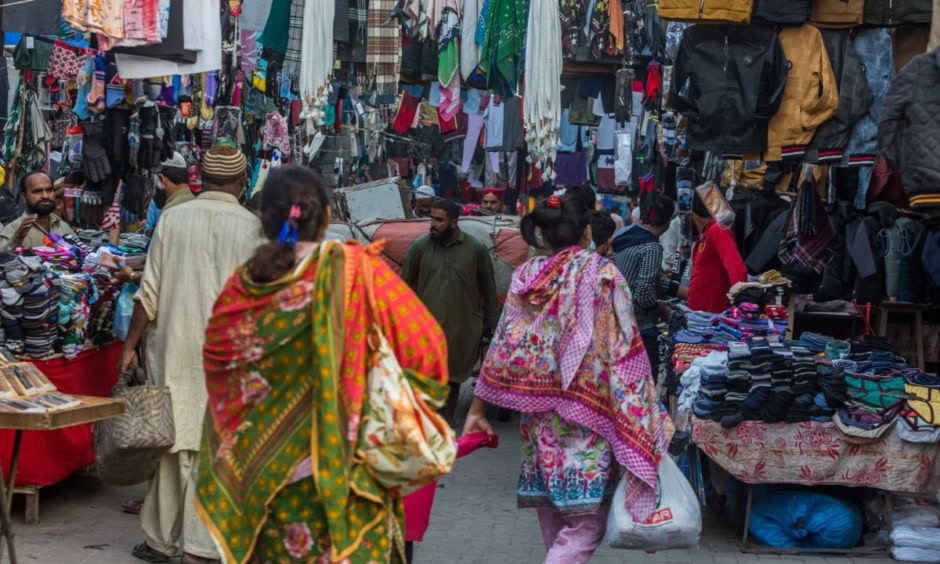
Limits on market and business timings, imposed earlier and later partly relaxed, may also be revisited.
These austerity measures were first enforced in early March and lifted in the third week of June, after the United States and Iran reached an understanding on a ceasefire that helped stabilise oil markets. Prices have surged again in recent days, prompting fresh consideration of the restrictions.
The official said the decision hinges on avoiding depletion of foreign exchange reserves, which fell to $22.67 billion on July 10 from $23.99 billion at the start of the month, still above three months of import cover. He said all conservation and austerity options adopted earlier this year remain available for immediate reactivation, pending cabinet approval.
The final decision, officials added, will depend on political consultations and technical input, particularly from the Ministry of Finance and the State Bank of Pakistan.