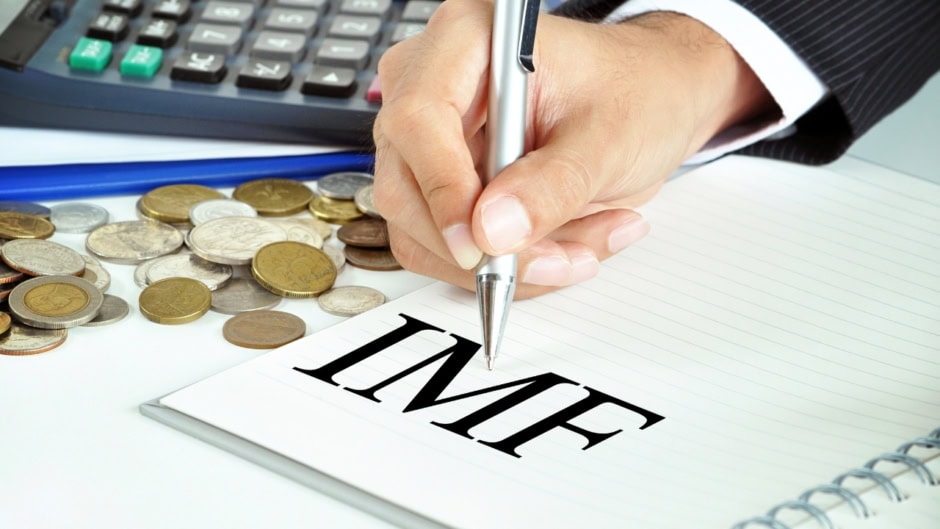
The International Monetary Fund (IMF) has officially opposed Pakistan’s proposal to levy a reduced 1% electric vehicle (EV) sales tax. Consequently, this rejection creates severe uncertainty for the upcoming Auto Policy 2026-31.
Reportedly, the government pitched a 1% sales tax on new energy vehicles. Additionally, officials proposed a 9% tax rate for hybrid vehicles, which is exactly half of the standard rate. However, the IMF quickly rejected this plan and demanded further clarifications.
Instead of tax cuts, the IMF insists that Pakistan must maintain a standard 18% sales tax across all vehicles. If the government wants to promote EVs, the IMF suggests offering direct subsidies to consumers rather than slashing tax revenues.
EV Sales Tax: A Ticking Clock for Auto Policy 2026-31
Meanwhile, the government faces a massive time crunch. Pakistan’s current auto policy expires at the end of this month. Furthermore, officials must finalize the new Auto Policy 2026-31 by June 24.
Unresolved clashes over tariff structures between the Ministry of Industries and the Ministry of Commerce severely complicate this rapidly approaching deadline. Any finalized changes to import duties or sales taxes must enter the Finance Bill 2026-27. The National Assembly expects to pass this critical bill next week.
The Ministry’s Aggressive EV Strategy
Despite the IMF’s pushback, the Ministry of Industries clearly wants to boost EV adoption rapidly. Therefore, they proposed several aggressive incentives. These include a 1% customs duty on specific imported EV parts for the first three years.
Moreover, the ministry recommended total sales tax exemptions on imported components. For locally assembled EVs, they pitched a 1% sales tax for five years. The proposal also includes sweeping exemptions from federal excise duty, capital value tax, and withholding tax on EV sales during the entire policy period.
To fund this shift toward cleaner transportation, the draft policy recommends higher levies on expensive internal combustion engine vehicles.
Ultimately, the government wants to accelerate local manufacturing. By 2030, the draft policy targets up to 85% domestic value addition for two-wheelers and three-wheelers, specifically focusing on electric categories.