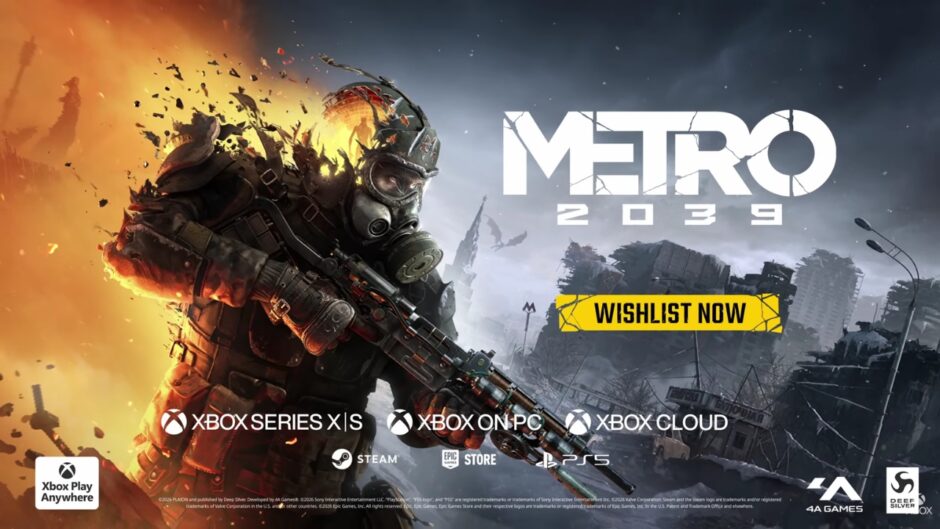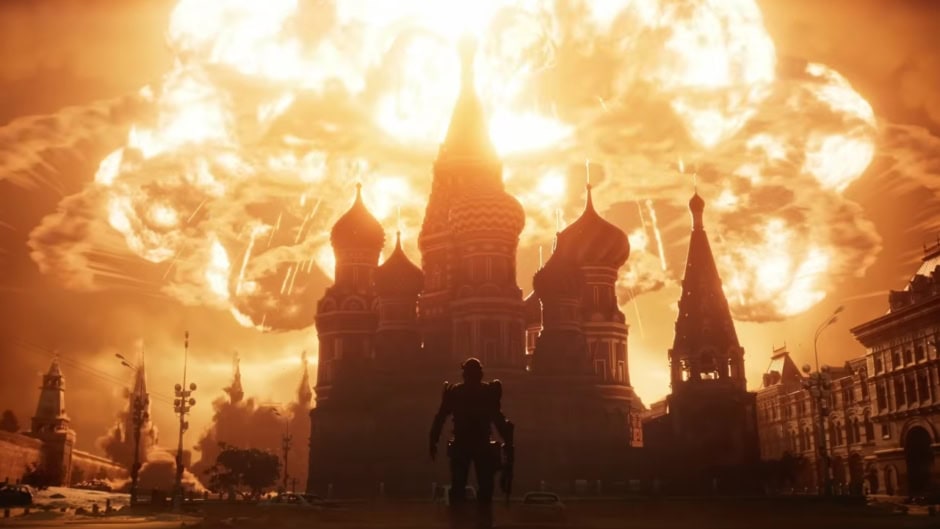
4A Games officially revealed Metro 2039 yesterday, April 16. This marks the fourth major entry in the acclaimed post-apocalyptic franchise. Furthermore, it is the first core installment since Metro Exodus launched in 2019. The studio announced the narrative-driven, single-player game during a dedicated showcase.
Shaped by Real-World Conflict

According to 4A Games, in an interview with Xbox Wire, the development for Metro 2039 fundamentally changed due to the Russian invasion of Ukraine. Consequently, the team faced displacement, power outages, and the brutal realities of an active war. Therefore, developers actively shifted the game’s thematic focus. Executive producer Jon Bloch said:
Everything we had planned for the next chapter of Metro changed.
Previous titles focused on preventing war. However, this new installment emphasizes enduring it. The overarching story heavily highlights consequences, survival, and the high cost of freedom.
Metro 2039: Returning to the Tunnels
Metro 2039 deliberately abandons the semi-open world of its predecessor. Instead, the game takes place entirely within the oppressive tunnels of the Moscow Metro. Factions from previous games now operate under a single, unified fascist regime.
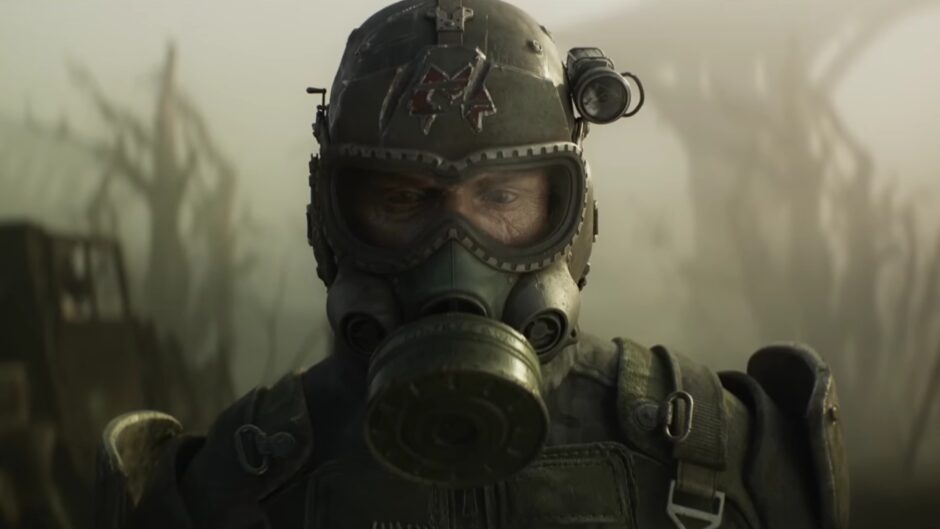
Additionally, players will control a new, fully voiced protagonist named “The Stranger”. This character tries to leave his past behind, but ultimately gets pulled back into the underground life. Moreover, the game relies heavily on environmental storytelling. Developers call these localized narratives “frozen stories”. Consequently, players must observe their surroundings to piece together history, rather than relying on heavy dialogue or forced exposition.
Intense Survival Gameplay & Tech Upgrades
Gameplay features methodical pacing and high vulnerability. Resource scarcity and weapon maintenance take center stage. For instance, firing a poorly maintained weapon carries massive risks. Meanwhile, classic Metro creatures like the Nosalis return to aggressively hunt players during exploration.
Technologically, 4A Games continues to utilize its proprietary engine. The studio pushes visual fidelity and lighting to new heights. Specifically, the development team built directly upon the ray-tracing advancements initially introduced in Metro Exodus.