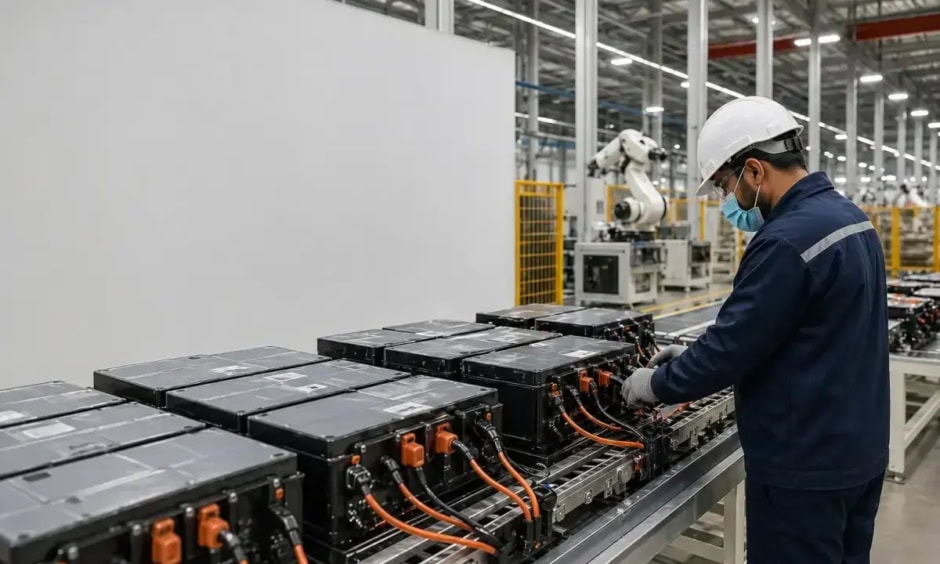
Pakistan imported a record 652.2 MWh of lithium-ion batteries in April 2026, the highest monthly volume on record, as a Power Division consultant proposed higher evening electricity rates to encourage battery storage adoption.
Syed Faizan Ali, a consultant to the Power Division, has recommended introducing Time-of-Use (ToU) net metering and net billing with enhanced evening discharge rates of Rs18 to Rs22 per kWh between 5 pm and 10 pm. The proposal aims to incentivise Battery Energy Storage Systems (BESS) and reduce peak-hour procurement costs for system operators.
Pakistan evening peak demand has crossed 26,000 MW annually.
The recommendation is part of Faizan market intelligence report titled “Li-Ion Battery and BESS Import Analysis 2024-26,” based on 30 months of customs transaction data from January 2024 to June 2026.
The report states that Pakistan battery energy storage market has reached a historic inflection point, with cumulative imports of 6.004 GWh valued at Rs126 billion (around $454.7 million).
Under HS Code 8507.6000, monthly import volumes rose by 1,640 percent, from 42 MWh in January 2024 to 652 MWh in April 2026. The current annualised import rate stands at around 5.86 GWh, placing Pakistan among the fastest-growing emerging BESS markets in the world.
Part of the demand surge is attributed to regional energy disruptions linked to geopolitical tensions in the Middle East, which accelerated the shift towards energy independence through battery storage.
The report also notes a structural transition from export-oriented solar systems to self-consumption-optimised solar-BESS configurations, following revisions to the net metering framework finalised in February 2026, after Nepra draft prosumer regulations issued in December 2025.
Average monthly imports between January and June 2026 stood at 413 MWh, which is 6.6 times higher than the 2024 average and more than double the 2025 average, indicating sustained growth with no signs of plateauing.