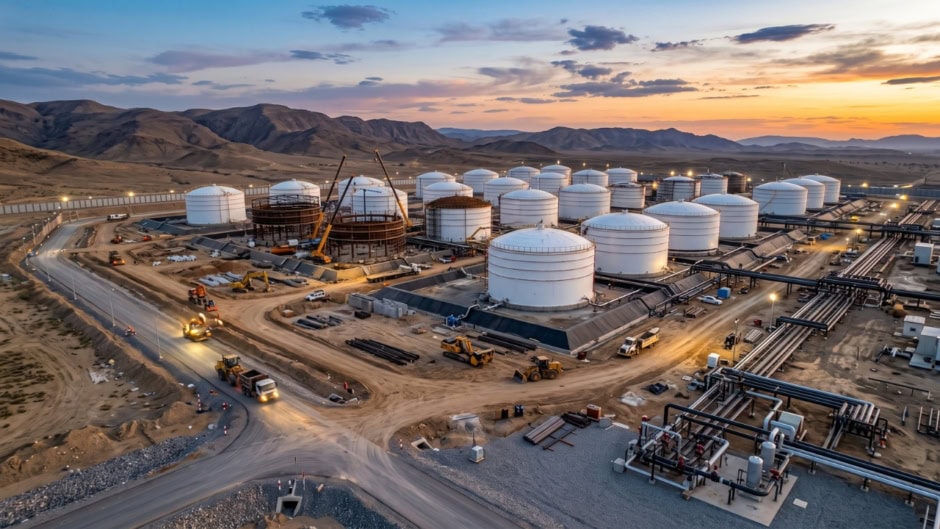
Pakistan recently took a major step toward safeguarding its energy future. Federal Minister for Petroleum, Ali Pervaiz Malik, chaired a kick-off meeting to launch a feasibility study for establishing Strategic Petroleum Reserves (SPR) in the country. To lead this critical assessment, the government selected the international energy consultancy firm, Wood Mackenzie. The firm won the contract through a competitive tender process that received four distinct bids.
Building Resilience Against Global Shocks
Recently, the Strait of Hormuz crisis exposed vulnerabilities in global supply chains. Consequently, this crisis magnified Pakistan’s urgent need to strengthen its buffers against external supply disruptions. During the meeting, Minister Malik highlighted that energy security directly ties into national security. Therefore, protecting energy supplies remains a top priority for the current government.
Furthermore, the Economic Coordination Committee (ECC) has already approved a world-class bonded scheme designed for large international oil players. Now, the SPR initiative serves as the next vital step. It aims to evaluate exactly how Pakistan can better prepare for potential supply shocks. The ultimate goal is to provide the government with pragmatic, evidence-based solutions for a possible phased rollout of these reserves.
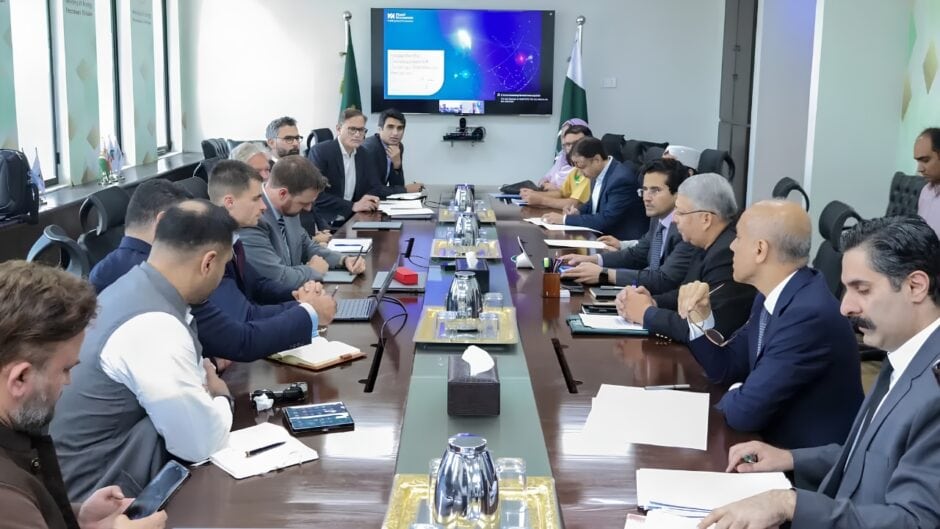
Meanwhile, the Wood Mackenzie team confirmed that this is the perfect time for Pakistan to tackle energy security. They pointed to the rapidly evolving global energy landscape and recent supply disruptions as key reasons for this timely move.
What Will the Strategic Petroleum Reserves Study Cover?
The feasibility study will comprehensively evaluate multiple factors. Specifically, it will assess the technical feasibility, safety, and operational integrity of the proposed storage facilities. Additionally, the study will compare these plans against regional and international benchmarks.
Wood Mackenzie will also examine the necessary policy, legal, regulatory, commercial, and financial frameworks. This includes exploring potential public-private partnership (PPP) models. Moreover, the team will evaluate existing infrastructure for potential strategic storage use, carefully considering logistics and connectivity requirements. Finally, the report will outline short, medium, and long-term implementation options alongside detailed estimates for capital expenditure (CAPEX), financing options, and strict implementation timelines.
To ensure smooth progress, Minister Malik directed all relevant stakeholders to extend their full cooperation to Wood Mackenzie. He emphasized the timely provision of necessary data and technical input so the firm can complete the study within the agreed timeline. Moving forward, the government will form a dedicated steering committee. This committee will periodically review the study’s progress and ensure it provides a sound basis for future policy decisions.