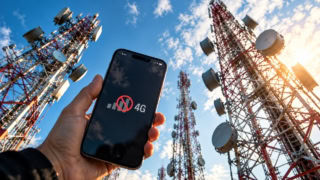
Power cuts and rising fuel prices are putting Pakistan’s telecom networks under pressure. As outages stretch longer, mobile service quality is beginning to suffer in many areas. In response, the Pakistan Telecommunication Authority (PTA) has stepped in with a set of urgent recommendations to stabilise the situation.
PTA has formally shared its proposals with the Ministry of IT and other key stakeholders. It has asked that telecom infrastructure be excluded from load shedding schedules. Moreover, the authority has suggested that telecom towers should receive uninterrupted electricity through dedicated express feeders to keep networks running smoothly.
At present, telecom operators are struggling with frequent power disruptions. Backup systems are being used more often, but they are not a long-term solution. Diesel and other fuel supplies are quickly exhausted during extended outages. Meanwhile, rising petroleum costs are making operations even harder to manage.
To ease financial pressure, PTA has also recommended that the telecom sector be shifted to an industrial electricity tariff. This step is expected to reduce operational costs and help maintain more stable service delivery across the country. Without such relief, service continuity may continue to weaken.
The authority has warned that delays in action could lead to more serious disruptions in cellular services. It has stressed that government support is necessary, especially through distribution companies, to ensure priority power supply to critical telecom sites. Coordination between departments has been described as essential for network stability.
Following PTA’s input, the Ministry of Information Technology and Telecommunication has already taken action. It has reached out to power distribution companies across the country. These companies have been urged to prioritise express feeders and ensure uninterrupted electricity for important telecom infrastructure.
Officials say cellular services have already started showing signs of degradation due to ongoing electricity shortages. Backup systems alone cannot handle long outages, as fuel reserves run out quickly. For this reason, stronger planning and faster coordination are being pushed to avoid further breakdowns in service quality.