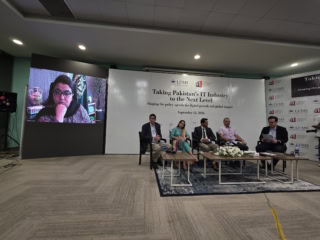
The Senate Standing Committee on Cabinet Secretariat, chaired by Rana Mahmood-ul-Hassan, discussed critical consumer technology policies today. The agenda heavily focused on e-SIM pricing, mobile taxation, and the desperate need for satellite internet in remote areas. The PTA Chairman provided detailed insights on these topics during the session.
Cheaper e-SIMs & 5G Tax Barrier
The PTA Chairman provided a comprehensive briefing on the current e-SIM policy. Currently, users can transfer an e-SIM to another mobile device for free up to 10 times. However, the initial price of an e-SIM stands at Rs. 2,000. Therefore, the PTA is actively negotiating with mobile operators to reduce this cost to between Rs. 1,000 and Rs. 1,500. The Chairman confidently stated that prices will drop further once consumer demand increases.
The conversation then shifted to the financial barriers threatening the upcoming 5G rollout. The PTA Chairman clarified that his authority has no role in levying taxes on mobile phones. Instead, this jurisdiction belongs entirely to the Federal Board of Revenue (FBR). Currently, Pakistan manufactures 25 million mobile phones annually. Meanwhile, premium mobile phones like Samsung and Apple are imported and face heavy taxation. The Chairman explicitly warned that excessive taxation on mobile phones will create significant problems for widespread 5G adoption.
PTA Paving the Way for Satellite Internet
The committee also addressed the poor internet connectivity plaguing the country’s remote areas and motorways. The PTA Chairman emphasized that licensing satellite internet is the absolute need of the hour to fix these connectivity gaps. He praised Nepal as a highly successful model, noting that they have already licensed satellite internet providers.
Consequently, the PTA has completed its groundwork regarding satellite internet and forwarded the framework to the Ministry of IT. The Chairman advocated that Pakistan should urgently grant licenses to Starlink, OneWeb, and Amazon satellite internet companies. To operate in Pakistan, these satellite internet companies must first secure registration from the Space Activities Regulatory Board. After successful registration, the PTA will officially issue their licenses.