A sub-committee of the Senate Standing Committee on Interior has directed the Federal Investigation Agency (FIA) to investigate alleged irregularities involving consumption certificates worth Rs. 1.12 trillion issued to industries operating in tax-exempt areas.
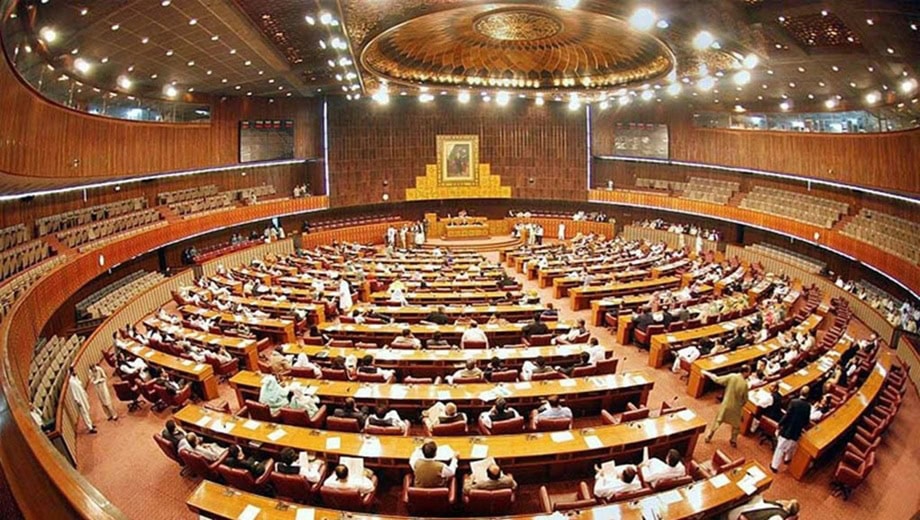
The sub-committee met at Parliament House to review issues related to cigarette smuggling, tax exemptions, consumption certificates and alleged corruption in relevant departments.
The committee was informed that the FIA had already constituted a team to investigate the matter. Senator Talha Mahmood alleged that some industrialists were operating multiple factories, including units in both tax-exempt and settled areas, with alleged facilitation from certain Customs officials.
The committee questioned authorities over the non-submission of complete details regarding consumption certificates issued for goods imported for tax-exempt areas.
It was informed that Pakistan Customs had issued consumption certificates worth Rs. 378 billion. The chairperson directed authorities to provide complete records of factories operating in tax-exempt areas, including details of imported materials, consumption, brands and taxes paid during the past two years.
The committee also sought the banking and account details of companies that received the certificates.
The sub-committee noted that the Peshawar High Court had ordered an audit before the issuance of consumption certificates and barred Pakistan Customs from encashing security cheques. The convener urged the FBR to challenge the relevant orders before the Federal Constitutional Court and submit a report to the committee.
The committee was also briefed on the raw materials imported by tobacco companies for cigarette manufacturing.
Officials said approximately 20,002 metric tons of acetate tow had been imported, with 97% accounted for by two major companies.
Around 15,639 metric tons of tobacco paper was also imported. Of this, approximately 10,840 metric tons was imported by Pakistan Tobacco Company (PTC) and 3,118 metric tons by Philip Morris, with the remaining quantity imported by other companies.
The committee was further informed that approximately 533 metric tons of filter rods had been imported, with 96% accounted for by two companies.
Overall, the briefing indicated that PTC and Philip Morris accounted for approximately 94% of imported raw materials consumed by the tobacco industry, while local companies accounted for the remaining 6%.
The committee expressed concern that relevant departments had not provided complete and consolidated information regarding the companies and their tax contributions.
The committee was informed that PTC falls under LTU Islamabad, while Philip Morris is under LTU Karachi, rather than RTO Peshawar.
The sub-committee directed the relevant Regional Tax Offices and Large Taxpayer Units to provide complete details of taxes collected and imported materials associated with the two companies.
The committee also directed authorities to provide the formula used to calculate taxes on cigarettes.
Officials informed the committee that four illegal cigarette manufacturing companies operating in Khyber Pakhtunkhwa had recently been sealed.
The sub-committee directed authorities to submit comprehensive details of all companies operating under the jurisdiction of RTO Peshawar.
The committee also reviewed allegations of corruption and theft involving officials. Three investigating officers Shahzaib Ali, Fakhar Gondal and Christopher were presented before the committee in connection with alleged corruption cases.
Officials said 22 people were allegedly involved in the theft incidents, with 11 apprehended so far. The committee directed authorities to provide details of the accused officials’ assets beyond known sources of income and forensic reports of their mobile phones.
The sub-committee also raised concerns over the alleged leakage of Customs data to private media outlets, directing the FBR to investigate and take action against officials found responsible.
Senator Talha Mahmood emphasized the need for stronger monitoring mechanisms, including effective tracking of containers transporting goods to tax-exempt areas. He also called for business-friendly policies that encourage tax compliance while reducing opportunities for bribery and corruption.
The committee reiterated that relevant departments must ensure transparency, accountability and effective monitoringto prevent misuse of tax exemptions, illegal imports, cigarette smuggling and corruption.