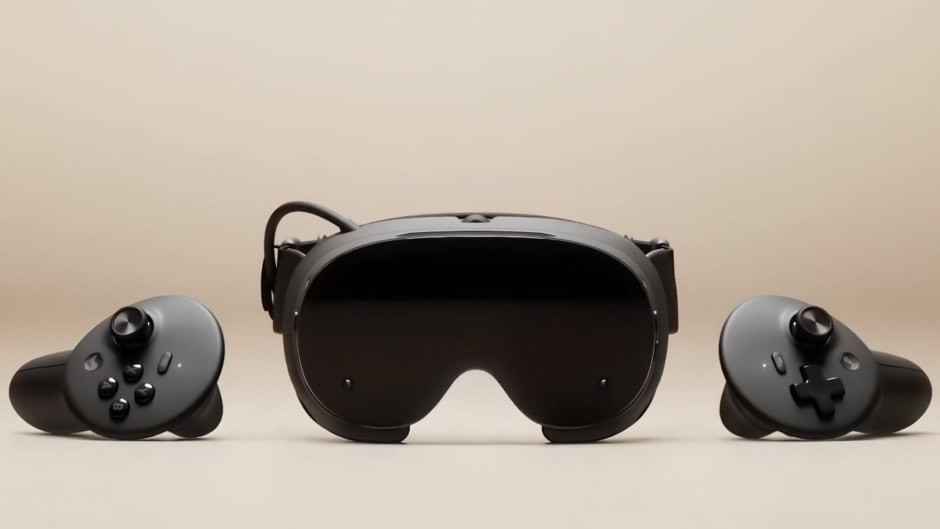
Leaked Steam Frame videos reveal stunning hardware specifications. They also expose a serious production crisis Valve has not publicly acknowledged. The headset requires 16GB of unified DDR5 RAM, expensive memory during a global shortage that has persisted since late 2025.
This creates an impossible calculus for Valve. The company designed Steam Frame when DRAM costs were predictable. Now, memory prices have inflated dramatically worldwide. Every gigabyte of DDR5 RAM costs substantially more than Valve’s manufacturing budget anticipated. Valve must choose between absorbing massive per-unit losses or pricing the headset beyond market expectations.
The leaked videos reveal Valve’s answer. The Ergonomic Accessories Kit appears as separate purchases, not bundled inclusions. Hand straps, rigid head strap, and light blocker are sold separately. This unbundled monetization strategy signals Valve expects margin pressure on base hardware. Splitting accessories into separate SKUs lets Valve advertise a lower headline price while recapturing margin through optional purchases most buyers will make.
According to VR industry insider, Brad Lynch on X, the Steam Machine is more severely affected by the memory supply issues than the Steam Frame, since it relies on on-package RAM and on mobile RAM, which doesn’t appear to be as severely impacted by the shortages.
Valve confirmed to Polygon that they are releasing the Steam Controller earlier due to RAM sourcing issues for their other products
I’ve been told some Valve Internal pricing targets they had before AND after RAM skyrocketed
Machine is affected the most. Frame is not as bad pic.twitter.com/qQolGs0wZ6
— Brad Lynch (@SadlyItsBradley) April 27, 2026
This new strategy collapses if production delays extend beyond September 22. Every month of delay means prolonged exposure to elevated DRAM costs and extended warehouse carrying charges. Competitors like Meta Quest have manufacturing scale and locked-in supply agreements from earlier launches. Valve enters this market with zero production precedent, during peak component scarcity, with no official launch date.
The wireless adapter compounds this complexity. Its dual-radio design requires specialized manufacturing alongside DDR5 procurement, controller assembly, and headset optics production. Component interdependencies mean a single supply bottleneck cascades through the entire manufacturing pipeline, delaying everything.
Valve has confirmed 22 warehouse shipments through August. This inventory may represent testing stock, review units, or staged builds that do not translate to launch quantities. The leaked instructional videos show Valve’s marketing collateral is complete. Production readiness remains ambiguous.