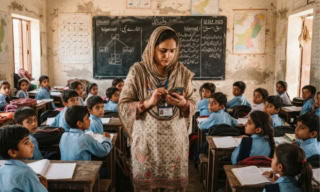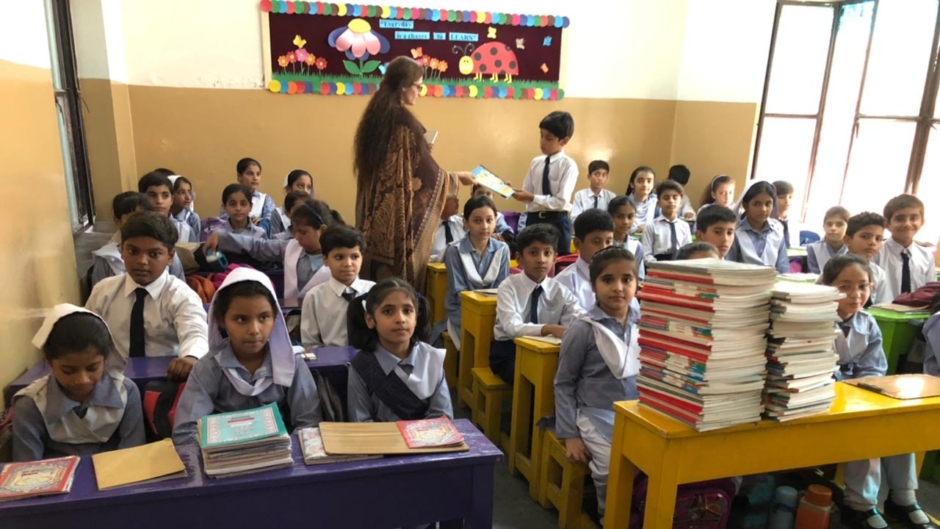
In Karachi, uncertainty surrounds the reopening of schools from April 1 as Punjab’s likely extension of holidays raises concerns about similar measures in Sindh, a broader response to the country’s energy crisis.
Although the Sindh government has not issued any formal directive so far, education circles suggest that decisions in Punjab often influence policy thinking in other provinces, especially during nationwide challenges like the current energy crisis.
Educational institutions had already remained closed from March 10 to March 31 under austerity measures aimed at reducing fuel consumption nationwide. Now, with Punjab considering further extension, similar concerns are emerging in Sindh.
Karachi, being a major urban center, faces its own energy pressures, including high electricity demand and fuel consumption. If the situation intensifies, authorities may consider temporary closures or alternative measures.
Oil and Fuel Situation
Karachi, as the country’s largest city, consumes a significant share of fuel and electricity. Daily movement of millions including students, puts heavy pressure on petrol and diesel demand.
Pakistan’s fuel challenges stem from rising global oil prices, a weakening currency and limited foreign exchange reserves, all of which make imports more expensive and difficult to sustain.
Transport linked to schools including buses, rickshaws and private vehicles, plays a noticeable role in urban fuel consumption. Meanwhile, electricity demand in schools adds to the already strained power system.
Experts say reducing daily movement, even temporarily, can help manage demand during crisis periods. If the situation continues, Karachi could also see policy shifts similar to Punjab, though no final decision has been taken yet.