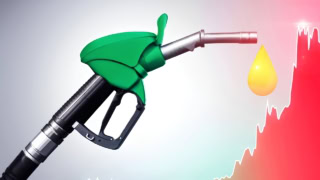
The federal government recently announced a steep increase in petroleum prices. Petrol prices jumped by Rs. 137.23 per litre, reaching a new high of Rs. 458.4. Simultaneously, the government raised high-speed diesel by Rs. 184.49 per litre, pushing the price to Rs. 520.35. Global oil market volatility and disruptions linked to the Gulf conflict drove this increase. Consequently, this marks the fourth price hike in the last six revisions. To soften the blow, the government unveiled a targeted fuel subsidy.
This subsidy focuses on vulnerable groups, including motorcyclists, transporters, farmers, and public transport operators, rather than offering blanket subsidies.
No Digital App: Total Confusion
Despite the promising relief figures on paper, the execution strategy currently looks like a logistical nightmare. When a TechJuice reporter asked a government minister if the administration would use a mobile application to distribute the subsidy, the minister explicitly replied “No”.
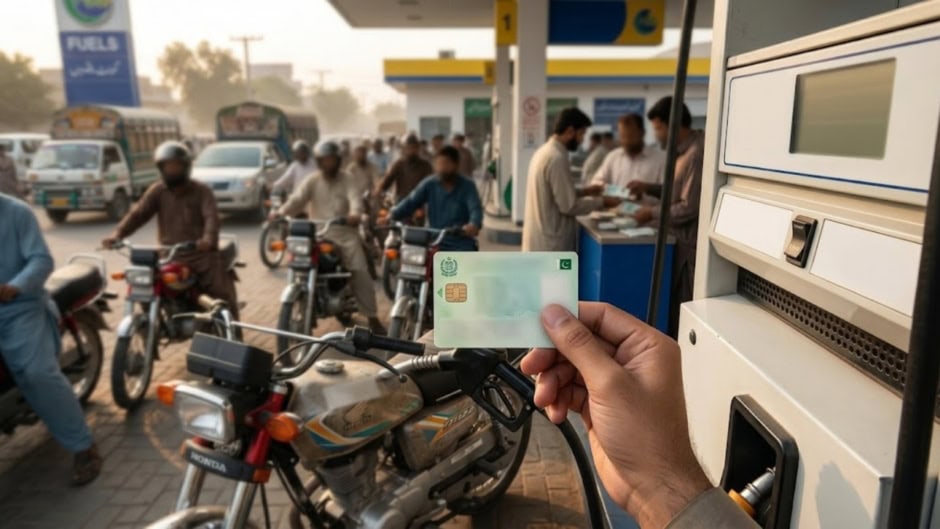
Instead, the current approach relies on distributing physical subsidy cards to motorcycle owners, transporters, and cargo operators. This decision has sparked widespread confusion regarding enforcement. Specifically, the government has no visible or actionable plan on how it will track the strict 20-litre limit for motorcyclists. Without a centralized digital platform, a motorcyclist could easily purchase small amounts of fuel across multiple, disconnected petrol pumps to bypass the quota.
Fuel Subsidy Breakdown by Sector
Despite the glaring technological gaps in tracking, the government has finalized the financial relief allocations. Muhammad Aurangzeb confirmed these allocations following consultations with the country’s leadership. Furthermore, the government extended fuel support to Pakistan Railways to help manage passenger fares amid the rising costs.
| Target Group | Subsidy Allocation | Detail / Purpose |
|---|---|---|
| Motorcyclists | Rs. 100 per litre | Applies to a maximum of 20 litres of petrol monthly (up to Rs. 2,000). |
| Inter-city Public Transport | Rs. 100 per litre | Applies to diesel to keep passenger fares stable. |
| Essential Food Trucks | Rs. 70,000 per month | Provided as direct support to contain the impact on food supply chains. |
| Large Goods Transport | Rs. 80,000 per month | Direct support allocation. |
| Inter-city Public Service Vehicles | Rs. 100,000 per month | Aimed at preventing fare increases. |
| Small Farmers | Rs. 1,500 per acre | A one-time diesel subsidy to support harvesting during the current crop season. |