The global smartphone market has recorded its first decline since 2023, with shipments falling in the first quarter of 2026, according to new data released by International Data Corporation (IDC).
Preliminary figures show that worldwide smartphone shipments reached 289.7 million units in Q1, marking a 4.1% decrease compared to the same period last year. Analysts attribute the slowdown primarily to ongoing memory supply constraints and rising component costs, which have impacted both production and consumer demand.
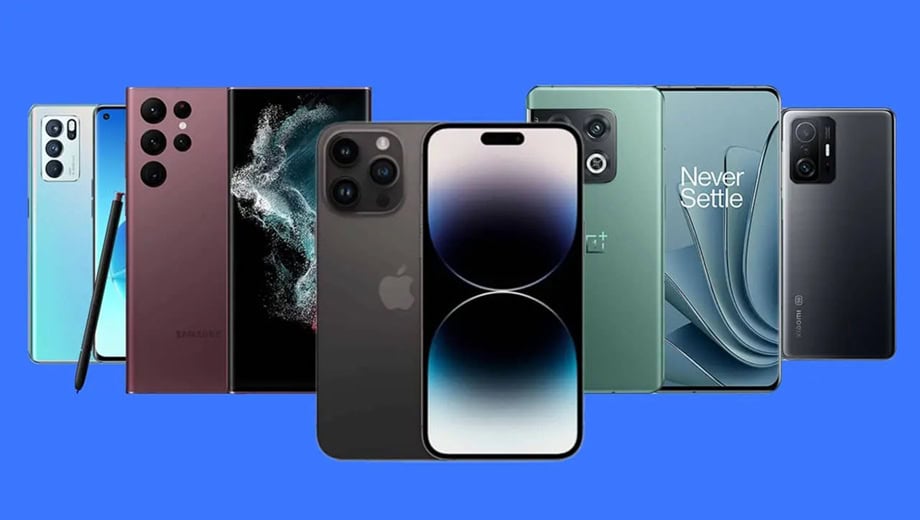
Despite the overall decline, Samsung and Apple maintained their leadership positions in the market and were the only top vendors to post year-over-year growth.
Samsung led global shipments with 62.8 million units, capturing a 21.7% market share. The strong performance was driven by demand for flagship devices like the Galaxy S26 Ultra, along with mid-range models in its Galaxy A series.
Apple followed closely with 61.1 million units shipped and a 19.6% market share, supported by continued demand for its iPhone 17 lineup, particularly in key markets such as China.
Other major players saw declines during the quarter. Xiaomi ranked third with 33.8 million shipments, down sharply from last year. OPPO and vivo also reported year-over-year drops in shipments.
Industry experts warn that the market may remain under pressure in the coming months as memory chip shortages persist and production costs continue to rise. These factors are expected to push smartphone prices higher, particularly affecting demand in emerging markets where budget devices dominate.
IDC noted that while developed markets like the United States may be less sensitive to price increases, demand for smartphones priced below $200 could weaken further in developing regions.
The research firm expects memory prices to stabilize in the second half of 2027, which may help ease pressure on manufacturers and support a gradual market recovery.