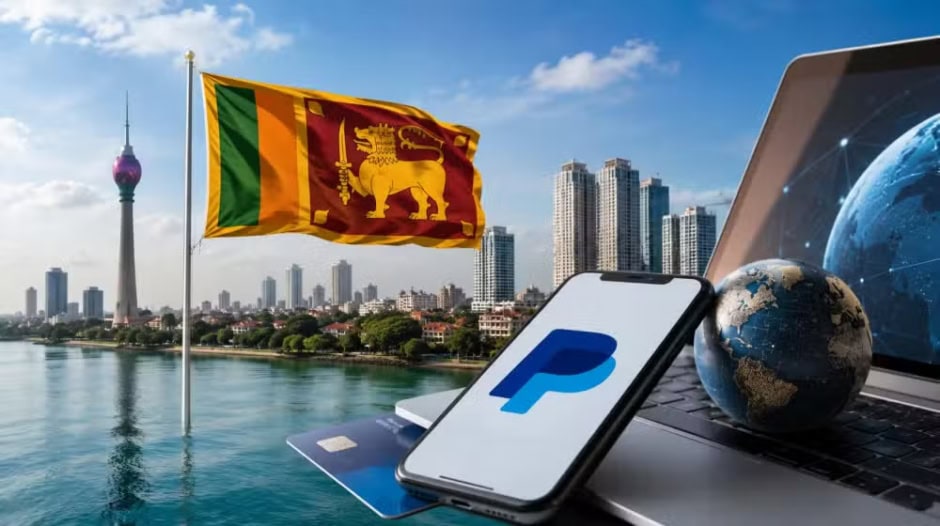
Sri Lanka has officially launched PayPal services, marking a major milestone for its digital economy, while Pakistan continues to struggle with access to international payment platforms.
The service was launched on May 15 at an official event attended by Prime Minister Harini Amarasuriya, with initial rollout through Bank of Ceylon, Commercial Bank of Ceylon, and Sampath Bank. Additional banks are expected to join the system in the coming months.
The development is seen as a significant boost for Sri Lanka’s digital sector, particularly for freelancers, exporters, and small and medium-sized enterprises that previously faced limitations in receiving payments through global platforms.
Until now, Sri Lankan users had limited PayPal access, with restrictions on receiving funds. The new integration is expected to improve international trade connectivity and increase foreign currency inflows into the country’s economy.
The move highlights growing competition in South Asia to attract digital businesses and strengthen fintech infrastructure.
In contrast, Pakistan has yet to secure official PayPal operations despite repeated efforts over the past decade to support freelancers, IT exporters, and online businesses. Local users continue to rely on alternative payment platforms such as Payoneer and other international services to receive payments.
Industry observers say the development underscores the widening gap in digital financial access across the region, especially for Pakistan’s growing freelance and IT export sector.