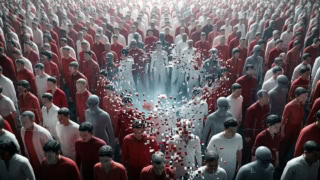
YouTube launched a new AI Remix feature for Shorts powered by Gemini Omni that allows users to reimagine other creators’ videos using simple text prompts. Google CEO Sundar Pichai announced the feature at the Google I/O event on May 19, enabling users to transform clips into pixel art, anime, or horror films while even inserting themselves into the videos.
The feature appears at the bottom of YouTube Shorts as a “reimagine” option within the existing remix icon. Users can prompt Gemini to alter video content by inflating heads, inserting background actors, or dressing people in costumes through straightforward text commands. The technology comes from Gemini Omni, Google’s multimodal AI model that was announced at I/O 2026 and can understand and generate content across text, images, audio, and video formats.
YouTube initially introduced Reimagine for Shorts back in March 2026 using Veo and Gemini technology to transform a single frame from an existing Short into an 8-second video. However, the new I/O announcement expands these capabilities significantly by allowing users to insert themselves or objects into eligible Shorts using up to two reference images from their photo gallery. Gemini Omni then creates high-quality video with audio, turning creative ideas into reality within moments.
Every Reimagined Short links directly back to the original work, ensuring creators receive proper credit while potentially expanding their reach to new audiences. Creators can opt out of visual remixing, which also removes any remixes already made from their content. However, opting out prevents traditional remixes as well according to YouTube.
YouTube has expanded its likeness detection tools to all users, helping to limit potential misuse from changing the context of Shorts. Remixing with Omni is available to users at no cost in YouTube Shorts Remix and the YouTube Create app, with the feature launching on YouTube’s AI Playground later. However, critics warn the feature may flood the platform with AI-generated content, raising concerns about potential misrepresentation and declining content quality.