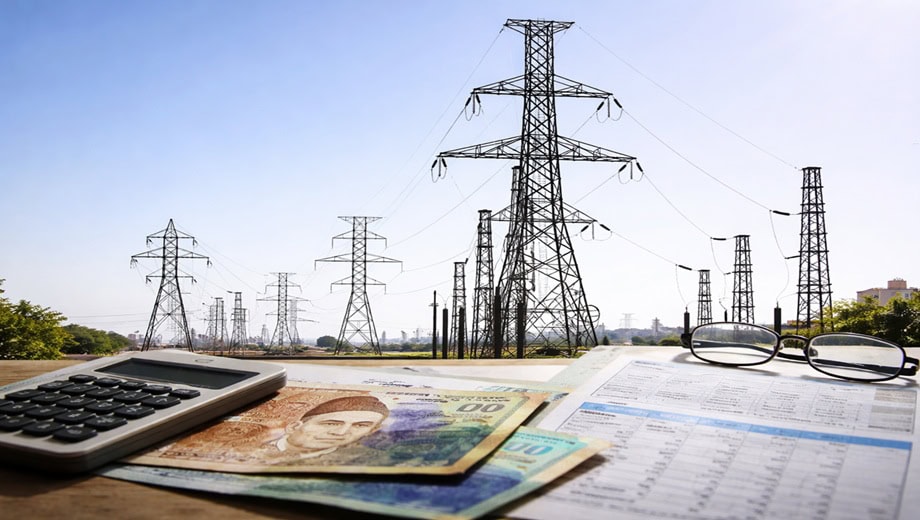
Pakistan’s power sector is facing a growing structural imbalance as the number of electricity users continues to rise while overall grid demand shows signs of weakness, according to the Pakistan Electricity Review 2026.
The report highlights a key divergence in FY25, where grid electricity sales increased by only 1.7 percent to 111 TWh, while the number of electricity consumers grew by 5.3 percent over the same period.
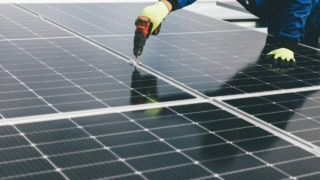
This trend suggests that although more households and users are being added to the system, their dependence on the national grid is declining, largely due to the rapid expansion of solar energy and other off-grid alternatives.
Over a longer period, the imbalance becomes more evident. Despite population growth of around 2 percent annually and average real GDP growth of 3 percent, grid electricity sales have declined by about 1 percent per year over the past five years. This indicates that rising demand is increasingly being met outside the formal electricity network.
Sector-level data shows similar patterns. Domestic electricity consumption increased by 4 percent in FY25, while household connections rose by 6 percent, indicating a decline in average usage per connection. In the agriculture sector, grid electricity use dropped sharply by 47 percent between FY22 and FY25 as farmers increasingly shifted toward solar-powered irrigation systems.
The report also notes that in several distribution companies, the increase in consumer numbers is no longer translating into higher electricity sales, reflecting weakening grid dependence.
It concludes that Pakistan’s power sector is now operating under a structural mismatch, where the system was designed for growing centralized electricity consumption, but demand is increasingly shifting toward decentralized and self-generated sources of energy.