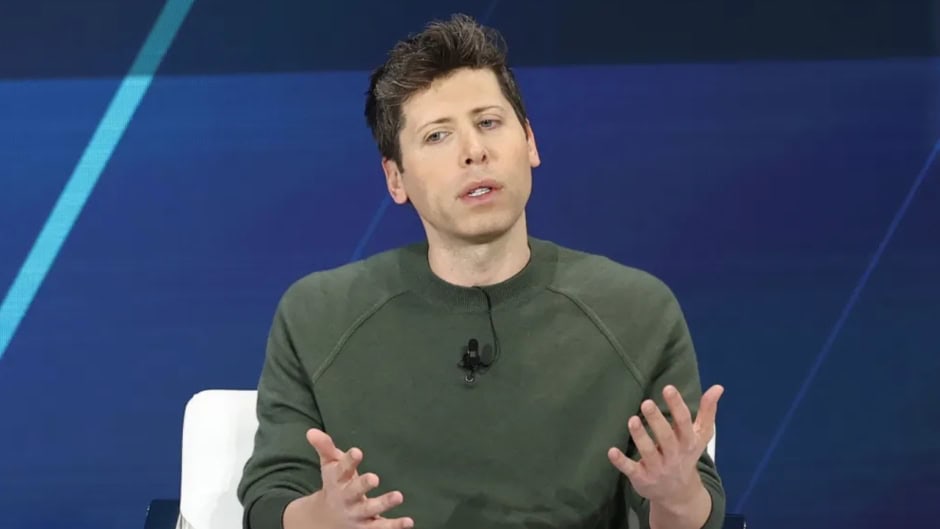
Sam Altman is changing his tune. The OpenAI CEO now claims the rapid adoption of artificial intelligence will not trigger a global “jobs apocalypse”. He recently spoke virtually at a Commonwealth Bank of Australia (CBA) conference in Sydney. During the event, Altman openly admitted his earlier fears about AI destroying white-collar jobs were mostly incorrect.
Sam Altman Predicting the Tech, Missing the Impact
Altman confessed that his executive team accurately predicted the technological capabilities of ChatGPT. However, they misjudged the immediate social and economic fallout. Altman expected the technology to eliminate far more entry-level white-collar jobs by now.
He told CBA Chief Executive Matt Comyn:
I’m delighted to be wrong about this.
Previously, Altman warned the public about severe industry-wide job cuts. Now, he acknowledges his intuition was simply off. He understands why the massive job losses have not materialized, though he maintains that AI still poses a real risk worth discussing.
The Irreplaceable Human Element
Why did the AI takeover stall? Altman blames the human element. He realized people deeply value authentic interaction in the workplace.
He recently tested this theory on himself. Altman programmed an AI to answer his Slack and email messages. The AI even introduced itself as “Sam’s AI”. Soon, he abandoned the experiment and reverted to answering messages himself. He discovered he could not outsource those daily human interactions. Consequently, he believes this fundamental need for human connection creates a hard limit on how far AI can replace actual workers.
Corporate Reality vs. The Trillion-Dollar IPO
Meanwhile, the corporate world paints a slightly different picture. Global giants like Amazon, HSBC, Standard Chartered, and even CBA are actively replacing some internal roles with AI right now.
Yet, Altman continues to push his new pro-human narrative. Interestingly, this shift in tone arrives at a highly lucrative moment for OpenAI. The tech company is currently preparing to confidentially file for a U.S. initial public offering (IPO) in the coming weeks. Reports indicate OpenAI aims for a staggering $1 trillion valuation and plans to raise at least $60 billion.