Pakistan’s petroleum exports reached their highest level in fiscal year 2026 as the country imported more crude oil, reduced reliance on refined fuel imports, and increased domestic refinery operations, according to data compiled by Arif Habib Limited.
The shift reflects changes in Pakistan’s energy consumption patterns, refinery performance, and overall fuel supply mix during FY26.
Total petroleum imports increased by 3 percent year-on-year to 17.6 million tons during the fiscal year, mainly due to a 16 percent rise in crude oil imports, which reached 10.77 million tons. The increase in crude imports helped local refineries process more oil domestically and reduced dependence on imported refined products.
Imports of motor spirit (petrol) declined by 4 percent to 5.35 million tons, while high-speed diesel (HSD) imports dropped significantly by 34 percent to 1.35 million tons.
Analysts linked the decline in refined fuel imports to lower demand, improved refinery throughput, and reduced dependence on imported diesel. Meanwhile, Pakistan’s domestic crude oil production increased by 4 percent to 64,675 barrels per day.
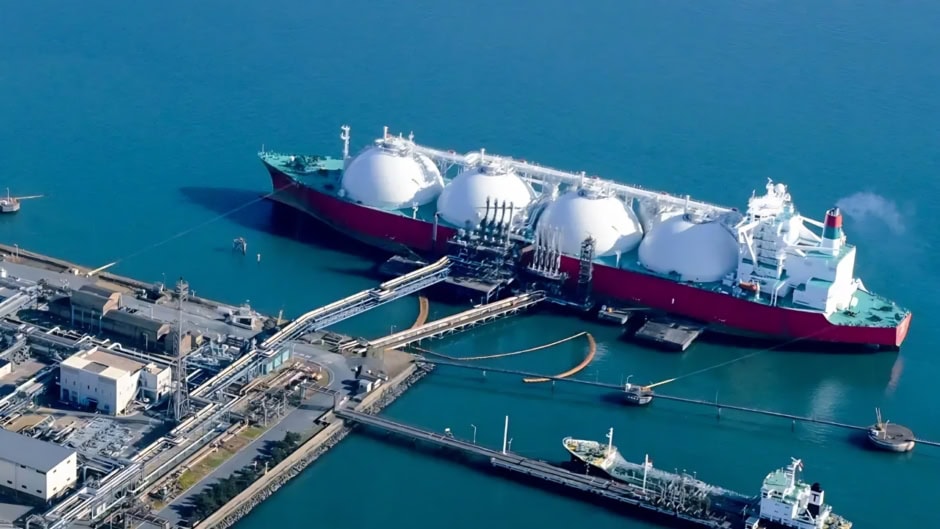
The country’s natural gas supply remained largely stable at 2,885 million cubic feet per day. However, re-gasified liquefied natural gas (RLNG) supply declined by 28 percent to 665 million cubic feet per day due to supply disruptions.
As a result, RLNG’s share in Pakistan’s overall gas mix fell to 19 percent in FY26 from 24 percent a year earlier.
On the export side, petroleum exports increased by 10 percent to 2 million tons during FY26. The growth was mainly driven by fuel oil exports, which surged by 21 percent to 1.74 million tons.
Despite domestic fuel oil sales remaining mostly unchanged, exports accounted for 42 percent of total fuel oil sales compared with 38 percent in FY25. The increase highlights Pakistan’s growing reliance on export markets amid weak domestic demand for fuel oil.
The rise in petroleum exports indicates improved refinery utilization and changing dynamics in Pakistan’s energy sector, with local production playing a greater role in meeting domestic needs and supporting international sales.