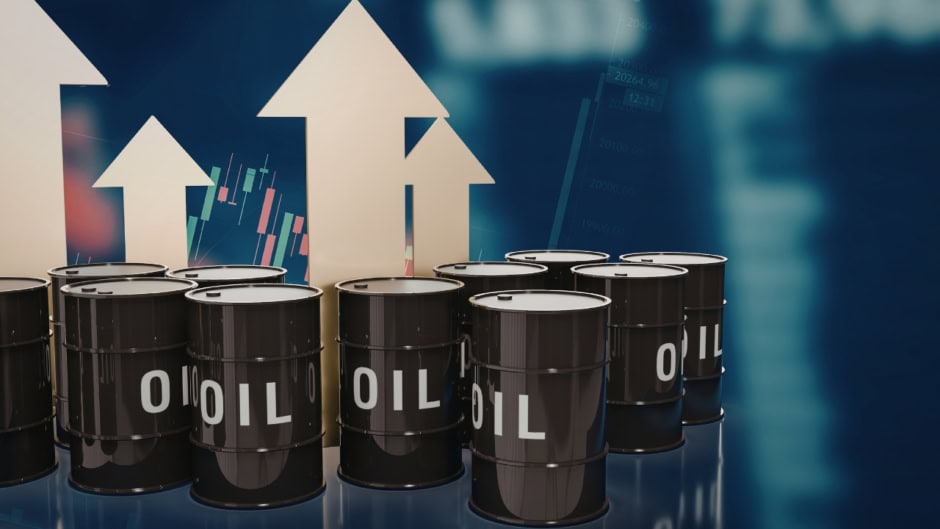
International oil prices continued their downward trend on Monday, raising expectations that crude could fall below the $70-per-barrel mark for the first time in nearly two years as geopolitical tensions in the Middle East ease and shipping activity through the Strait of Hormuz normalizes.
At the time of reporting, U.S. benchmark West Texas Intermediate (WTI) crude was trading at $74.4 per barrel, down approximately 2% during the day. Meanwhile, Brent crude, the global benchmark, fell 2.5% to around $78 per barrel.
Oil produced from reserves operated by the United Arab Emirates (UAE) was trading near $71 per barrel, marking a decline of nearly 3% over the previous 12 hours and bringing prices closer to the key $70 threshold.
Market analysts noted that crude oil has been under sustained pressure since diplomatic efforts between the United States and Iran gained momentum. The decision by both countries to participate in peace negotiations in Switzerland helped ease concerns about potential disruptions to global energy supplies.
Another major factor contributing to the decline has been the resumption of vessel traffic through the Strait of Hormuz, one of the world’s most critical oil shipping routes. Improved maritime movement has reduced fears of supply shortages and supported a bearish outlook for crude markets.
Although negotiations between Washington and Tehran have faced challenges, including temporary disruptions during the talks, mediators have continued efforts to keep dialogue channels open. The ongoing diplomatic engagement has helped reassure investors and reduce risk premiums that had previously pushed oil prices higher.
The prospect of oil falling below $70 per barrel is particularly significant, as crude has remained above that level since September 2024. A break below the threshold could provide relief to oil-importing countries by lowering energy costs and easing inflationary pressures.
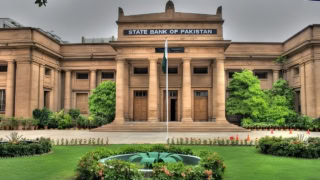
For Pakistan and other energy-dependent economies, weaker oil prices could help reduce import bills, improve fiscal balances, and support economic stability in the months ahead.
Market participants are now closely monitoring developments in US-Iran negotiations and broader Middle East geopolitics, which are expected to remain key drivers of oil price movements in the near term.