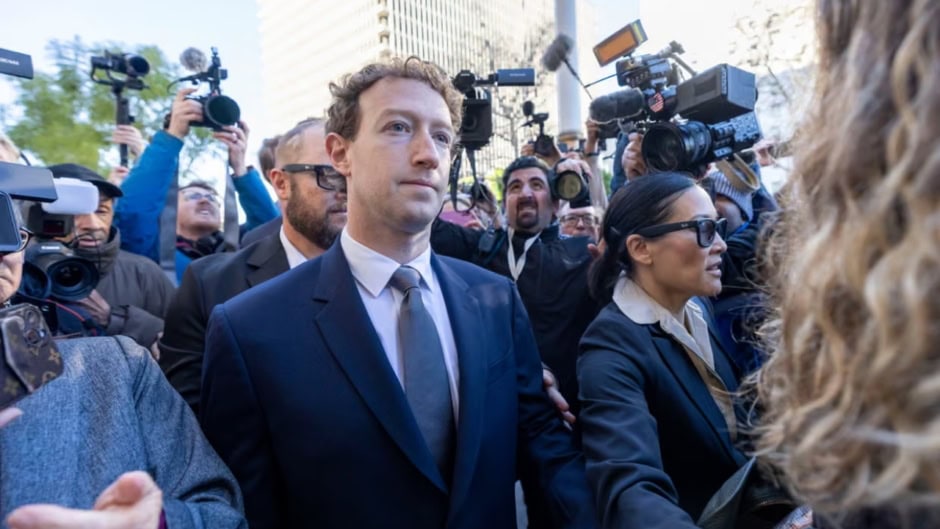
A New Mexico judge ordered Meta to pay $942 million in total penalties and remediation funds on Thursday after a two-phase trial found the company knowingly harmed children’s mental health and concealed what it knew about child sexual exploitation on Facebook and Instagram. The ruling marks the first time a US state has successfully forced both financial penalties and mandatory platform changes on Meta over child safety.
Judge Bryan Biedscheid created a $567 million abatement fund on top of the $375 million in civil penalties that a jury assessed against Meta in March. He described the fund as “necessary, due to the wide-ranging impacts of the harm and the complex nature of the remedy.” The court allocated $420 million of that fund directly to treatment services for young people, with the remainder covering awareness campaigns, prevention programs, screening services, and administrative costs over the next five years.
The platform changes carry equal weight. Meta must now strengthen age verification in New Mexico, cap users under 18 at a combined 90 hours per month on Facebook and Instagram, disable most push notifications for minors overnight and during school hours, and hide “like” counts by default unless a parent or guardian explicitly enables them. The company must also partner with schools or a child safety organization to build a reporting portal where school staff can flag users who may be under 13 and must delete all personal information it collected on users below that age. The court requires Meta to file compliance reports twice a year.
The March jury verdict that triggered this ruling found Meta had violated New Mexico’s consumer protection law through 75,000 separate violations at $5,000 each. Attorney General Raúl Torrez’s office built the case through an undercover operation in 2023, where investigators created Facebook and Instagram accounts posing as users younger than 14. Those accounts received sexually explicit material, and adults contacted them seeking similar content, leading to criminal charges against multiple individuals.
Torrez framed the combined ruling as a message to the entire industry.
“Today’s decision is a victory for every parent who has worried about what social media is doing to their child and every child who deserves to grow up safer online,” he said.
Meta vowed to appeal, stating that it works hard to keep people safe and has been transparent about challenges in identifying bad actors.
The financial hit barely registers on Meta’s balance sheet. The $942 million total represents a sliver of the company’s approximately $60 billion annual profit in 2025. Investors confirmed that math by sending Meta’s stock down less than half a percent to $589.44 in after-hours trading. But the precedent matters far more than the dollar figure. Meta now faces an avalanche of lawsuits from thousands of families, and this ruling hands every future plaintiff a proven template for forcing both monetary penalties and mandatory design changes.
The legal pressure is compounding fast as Meta faces a trial later this month in federal court in Oakland, California. The company is defending against the first four of 29 state lawsuits filed in a 2023 multi-district action. Late last month, the families of four teenagers who died by suicide sued Meta alongside TikTok, Snap, and Google’s YouTube, describing “years of escalating harms” from social media use that ultimately killed their children.